
Commercial-First Planning
Projects are planned around property operations, infrastructure and the people responsible for the system.
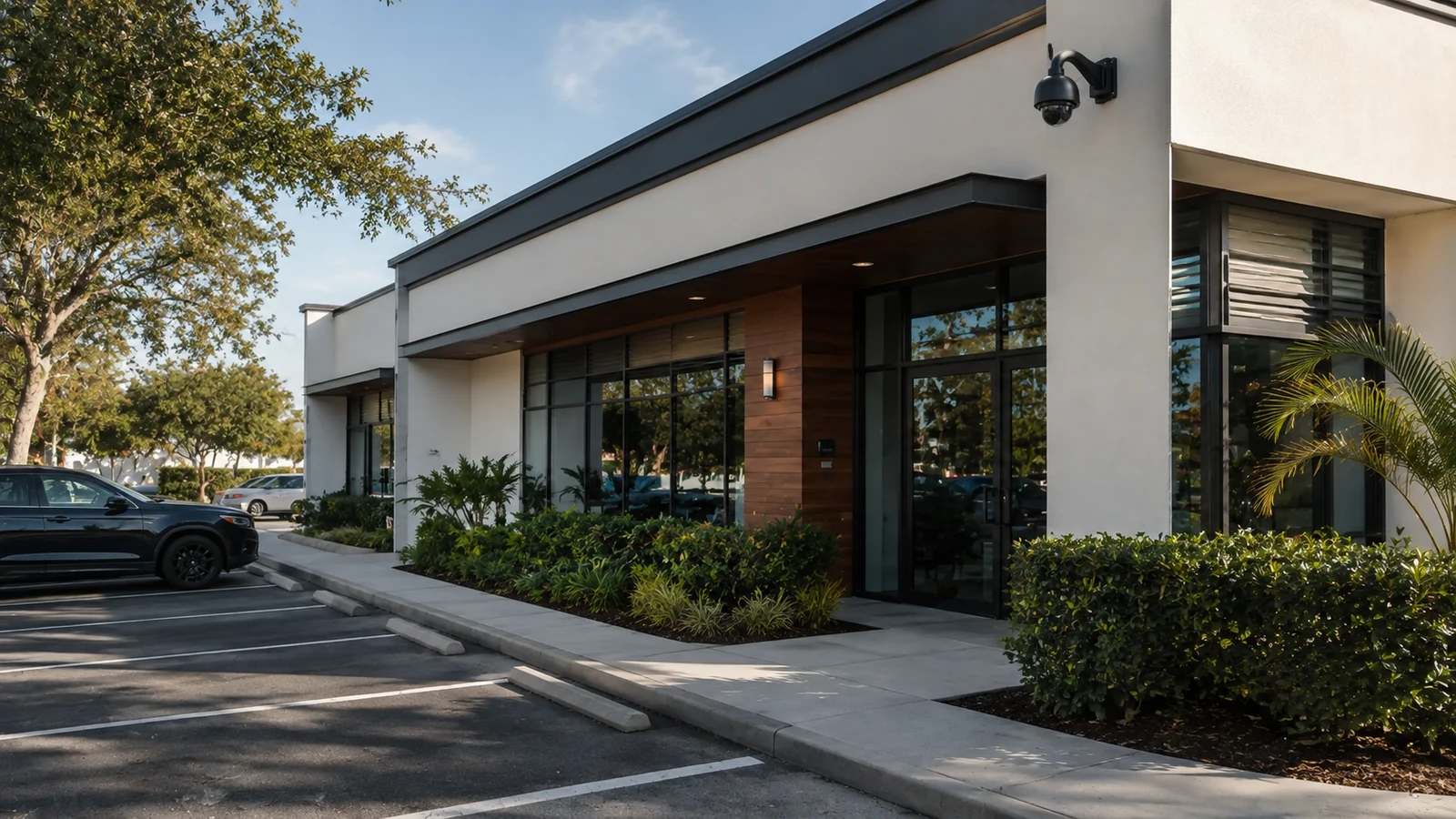
Municipality | Orlando Commercial Security Planning
Plan commercial camera coverage around the property patterns, access points and operating conditions found in and around Belle Isle. The useful starting point is a site-specific review of property workflow, visibility goals, pathways, recording and the people responsible for the system.
For owners, managers and project teams responsible for professional offices, waterfront-managed properties, local retail sites, the scope should connect parking approaches coverage, shared entrances visibility and service and delivery sides coordination to measurable acceptance checks. Recommendations remain subject to the site survey, compatible infrastructure and the approved project documents.
Projects are planned around property operations, infrastructure and the people responsible for the system.
Data Pro Communications operates under FL License #EC13016138.
Testing, labeling, credentials and known limitations are organized for the people who will operate and support the system.
A Belle Isle camera project should distinguish visitor arrival, shared entrances, service access and managed exterior areas. Compact parking, reflections and limited pathway options need to be evaluated at the property so the finished views remain useful without extending unnecessarily beyond its boundaries.
At Belle Isle, parking approaches can be missed when a drawing does not reflect vehicle direction, pedestrian crossings, changing light, parked obstructions and the point where identifying detail is required. Walk the approach in use and decide whether the camera must identify a person, follow activity or document an event before fixing the position.
An empty view of shared entrances does not prove it will work during normal activity. Test the Belle Isle scene with door geometry, glazing, customer or staff flow, nearby obstructions and whether the view must identify a person or show general activity present and verify that the subject remains usable from entry through exit.
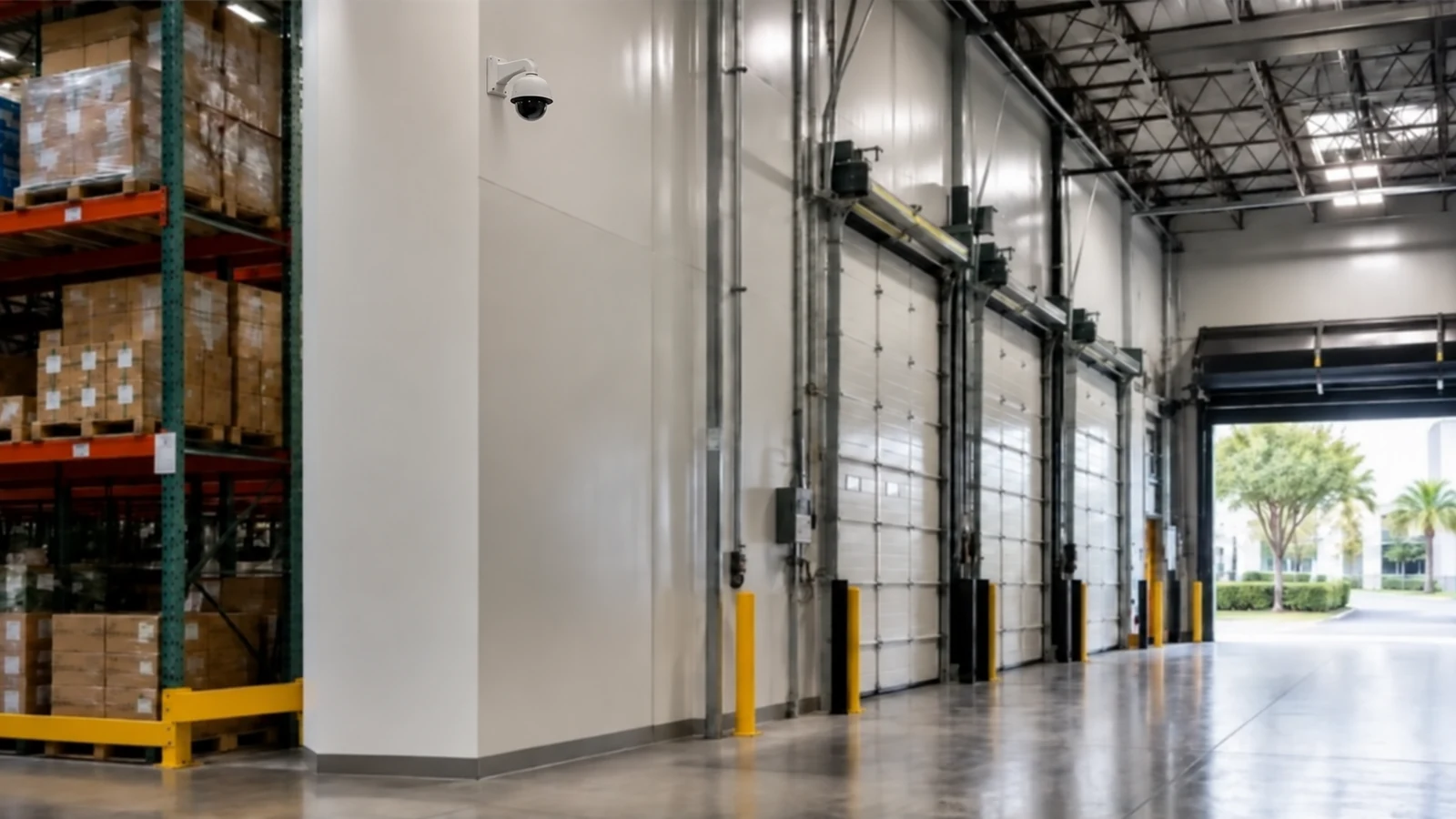
Camera ownership and viewing rights for service and delivery sides need a named operational owner. At Belle Isle, confirm delivery vehicles, doors, trailers, vendor and staff access, custody handoffs and the people authorized to review footage, then document who may request footage and who maintains the equipment.
The routes serving shared amenities and detached structures cross conditions typical of compact parking, professional offices and managed waterfront properties. Measure every segment, inspect supports and exposure, and keep junctions reachable for repair.
Recording demand will not be uniform across main and staff entrances, exterior approaches and compact parking areas. Build the Belle Isle storage estimate from scene activity, bitrate, resolution and recording mode, then test retrieval from the oldest required date.
One convenient corner cannot reliably cover main and staff entrances, compact parking areas and delivery and side doors. At Belle Isle, place each view around its incident objective and check it with normal obstructions in position.
For Belle Isle, Plan entrance identification views after reviewing lens, mounting height and direction from the actual approach and confirming the required identification detail.
At the Belle Isle property, Validate compact parking coverage after checking movement, lighting, normal obstructions and the incident detail required along the actual travel path.
The field plan should Coordinate exterior property views after checking weather exposure, lighting, property boundaries, physical protection and safe service access.
During design, Protect outdoor camera pathways after confirming route length, pathway condition, equipment location, power and service access.
The installation team can Size recording for the managed areas using the approved camera count, image settings and activity pattern, followed by a retrieval check with an authorized user.
Before equipment is finalized, Document multi-building connectivity by reviewing representative scenes and recording the accepted views, camera names, pathways, user roles and known limitations.
Separate visitor arrival from staff access so each doorway has the detail needed for identification and after-hours review.
Reflections, vegetation and weather can change exterior images; angles should remain on managed approaches and property edges.
Vehicle approaches and the pedestrian path to the storefront need complementary views rather than one high, distant overview.
Coverage should concentrate on managed entrances and equipment areas while avoiding persistent views of private-use spaces.
A reliable link between structures may require fiber or an engineered wireless bridge when protected copper is not practical.
Side-door coverage should show the handoff point and immediate approach without collecting unnecessary neighboring views.
Compact parking areas still need separate decisions for vehicle approach and pedestrian entry. Observe where cars turn or stop, note landscaping and parked-vehicle obstruction, and choose whether each view needs an identifying image or general movement context.
At a shared entrance, confirm which door serves visitors, staff or residents and which manager may review recordings. Door swing, canopy shade, glazing and the direction of approach determine whether one camera can provide useful detail.
Service-side cameras should show the delivery door, handoff area and immediate vehicle approach. Check available mounting surfaces, exterior lighting, staff movement and whether the cable route remains inside space controlled by the property.
Water, glass and bright pavement can create glare or backlighting at different times of day. Test the proposed scene in representative daylight and after dark, then adjust angle, exposure settings or supplemental lighting rather than relying on resolution alone.
A high parking overview may not identify a person at the entrance, while a tight doorway camera may miss the vehicle path. Use complementary views, confirm the handoff between them in playback and keep neighboring private areas outside the intended scene.
Commissioning should include daytime and evening entrance images, normal parking movement, recorder playback and the remote accounts assigned to the property team. Document exterior junctions, retained equipment and any link serving a detached managed area.
Belle Isle projects may need PoE switching for office cameras, protected outdoor pathways for detached areas, or access-control event video at staff entrances. Only the interfaces used by the property should be included.
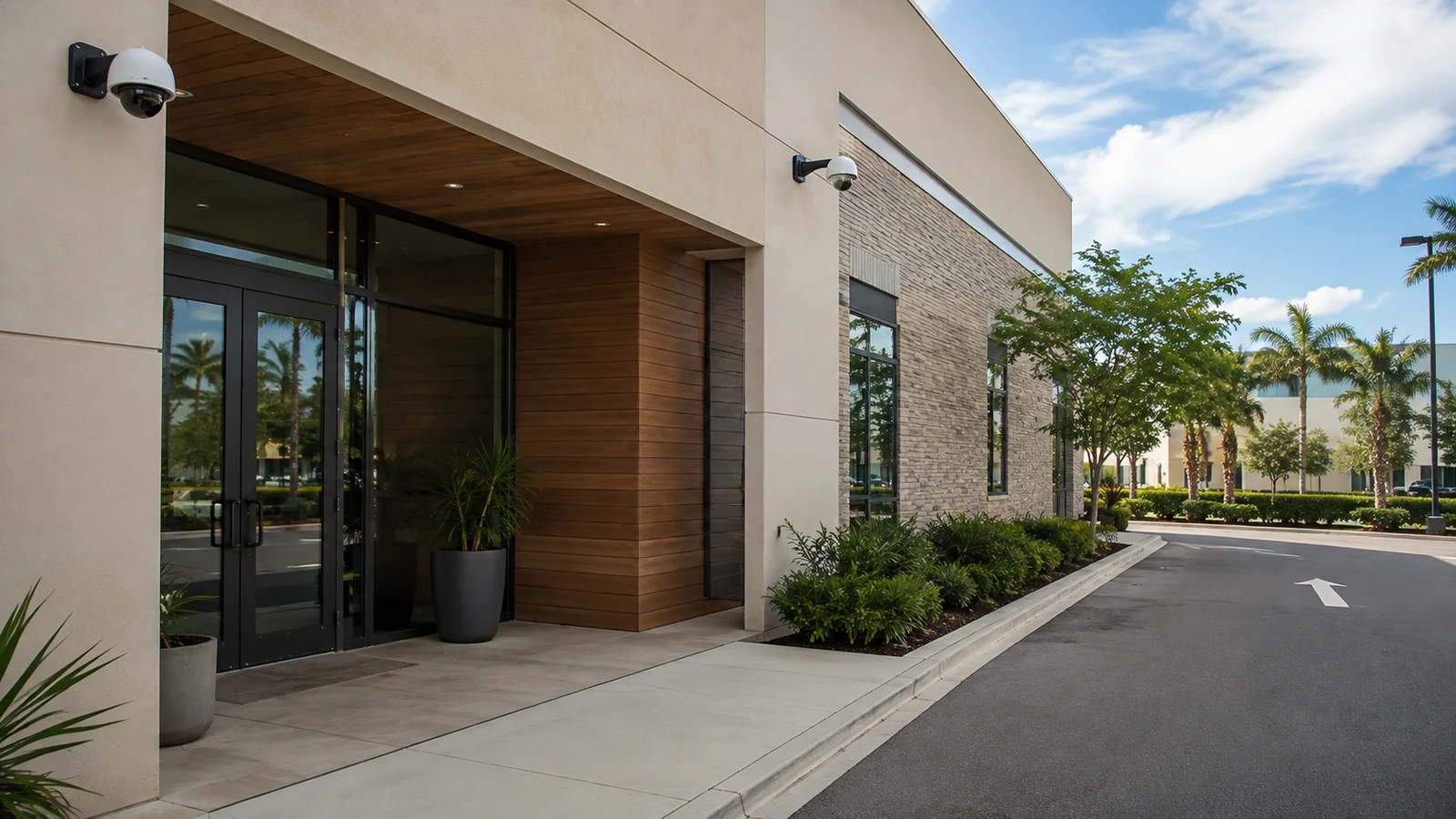
Commercial projects in Belle Isle include professional offices, waterfront-managed properties, local retail sites. Useful planning starts with how people, vehicles and service teams enter the site, where infrastructure can be protected and who will review recorded video or system events.
The Service Areas Hub shows how Belle Isle relates to other Orlando-area locations without treating every local context as a city.
A commercial site survey can confirm compact-site camera angles, waterfront exposure and pathways that cannot be evaluated from plans alone.
Camera Services is relevant when the Belle Isle project includes upgrades, remote viewing, troubleshooting or a new recording platform.
The recommendation changes across professional offices, waterfront-managed properties, local retail sites. Public access, operating hours, vehicle movement, privacy expectations, network ownership and maintenance responsibility should determine which examples and next steps belong on the page.
Walk the Belle Isle property with the owner to review entrances, compact parking, exterior lighting and any detached managed areas.
Choose camera views and pathways that respect property boundaries while supporting the office, retail or community workflow.
Schedule exterior and occupied-office work around customers, residents, deliveries and access to finished spaces.
Test doorway detail, parking movement and remote access, then document retained equipment and any outdoor-link limitation.
Cameras Orlando is operated by Data Pro Communications. Florida low-voltage work is performed under FL License #EC13016138. Final recommendations depend on the approved scope, site conditions and the responsibilities stated in the project documents.
Start with the entrances, customer approach, staff-only doors and parking areas that matter to daily operations. Smaller commercial sites often benefit from a focused set of views rather than broad perimeter coverage with no clear incident purpose.
Exterior lighting, reflections, vegetation and changing weather can affect useful detail near property edges. Camera angles should stay on the managed premises and avoid unnecessary views beyond the property boundary.
Possibly. The recorder, camera format, cabling condition, power method and available image detail all need review. Reuse is worthwhile only when the retained equipment can support the new coverage and playback requirements.
Use views that show vehicle approaches, pedestrian routes and the transition to the main entrance. Mounting height and lens choice should preserve identifying detail instead of trying to capture the entire lot with one distant camera.
They may. Distance, pathway availability and electrical separation determine whether copper, fiber or a properly engineered wireless bridge is appropriate. The connection should be serviceable and protected from outdoor exposure.
Yes, scheduling can be discussed around customer traffic, staff access and any noisy or disruptive work. Some cable routing or lift activity may still require controlled access to particular areas.
Choose retention around how quickly incidents are discovered and who reviews footage, then size storage from the actual camera count, resolution, frame rate and recording schedule. A longer number is not useful if playback is difficult to manage.
Only when a limited portion is necessary to understand activity entering the site. Views should be aimed at the business's own entrances, parking and managed areas, with privacy considerations reviewed before final positioning.
Yes, if the access-control and camera platforms support the required integration and their clocks are synchronized. The project should identify which doors need associated video and who is authorized to review it.
Send the property address, business type, main areas of concern, existing-system details and any access or scheduling restrictions. That gives the survey team a useful starting point without assuming a design before visiting the site.
Share the property type, your project role, the current condition and the outcome you need. Data Pro Communications can use that context to prepare a focused conversation about parking approaches coverage, shared entrances visibility and the next responsible field step.