
Analog, IP and Hybrid Experience
Commercial CCTV work is evaluated across the actual camera formats, recorder architecture and pathways already serving the property.
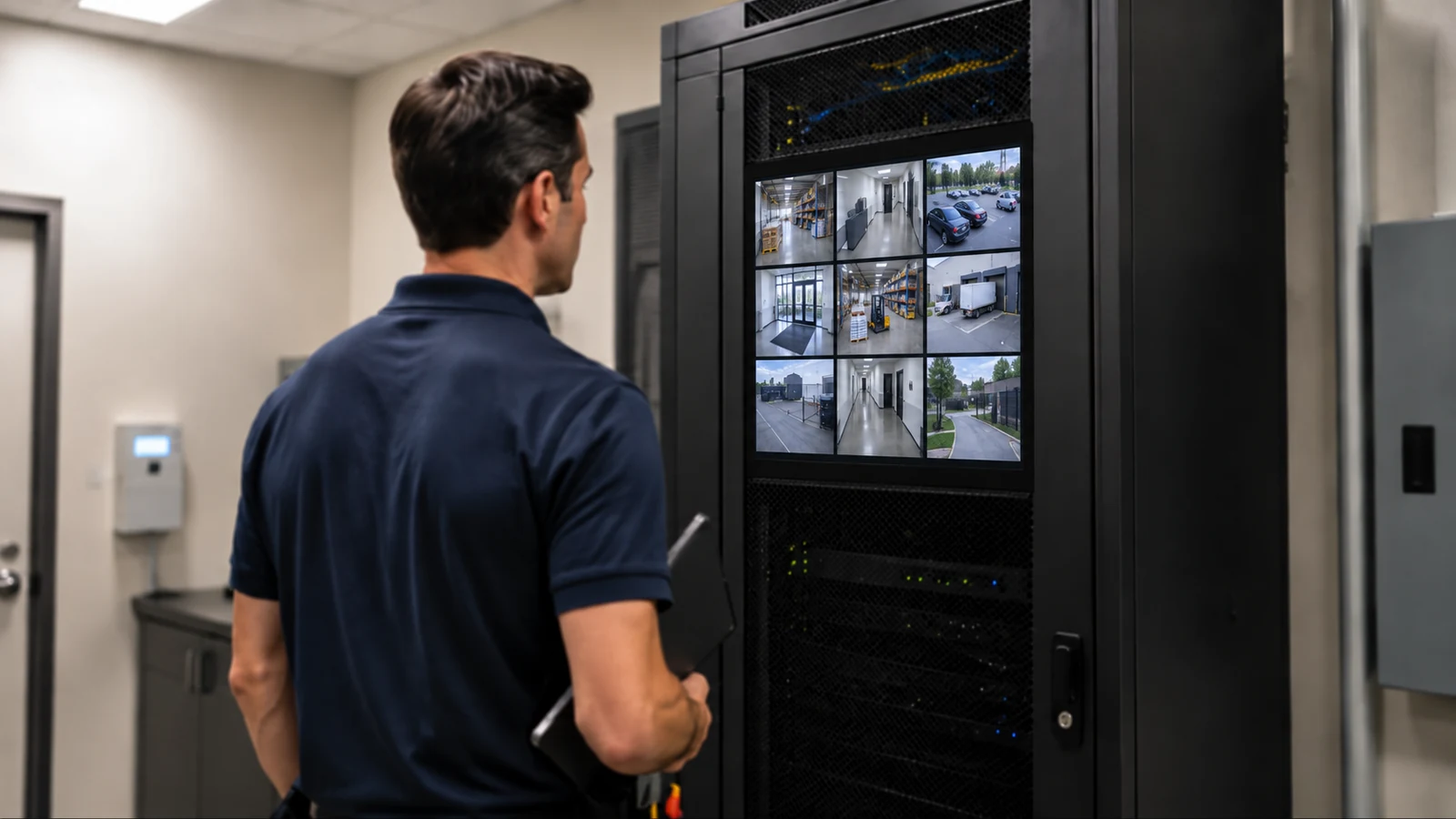
Commercial CCTV Modernization and Installation
Commercial CCTV still includes many operating analog and hybrid systems, not only new IP cameras. A property may have usable coax, an older DVR, newer IP cameras or a recorder that supports both technologies. The right project depends on what should remain and what the business needs to improve.
Data Pro Communications plans CCTV work around recorder compatibility, existing pathways, camera views, retention and migration options. That allows a commercial property to modernize in stages when appropriate instead of treating “CCTV installation” as a synonym for replacing everything.
Commercial CCTV work is evaluated across the actual camera formats, recorder architecture and pathways already serving the property.
Data Pro Communications operates under FL License #EC13016138.
Phased CCTV changes document which equipment remains active and how users continue viewing and recording video during the transition.
CCTV describes the video-surveillance system, but the underlying architecture can vary widely. Existing coax and DVRs may still be serviceable, while newer areas may use Ethernet, PoE and NVR or VMS recording. A useful design accounts for both the current technology and the desired migration path.

Analog, HD-over-coax and IP cameras use different transport and recording requirements. A camera that fits physically may not be supported by the existing recorder.
Recorder replacement should confirm input type, resolution, channel count and camera format so existing cameras do not lose compatibility during modernization.
Older coax can remain useful, but damaged connectors, splices, distance or cable condition can create intermittent video or image degradation.
Hybrid systems need a deliberate strategy for where each camera records and how users search, export and manage video across the mixed environment.
Higher-resolution analog or IP streams can change storage requirements. Retention should be recalculated when cameras or recording modes change.
Commercial properties may need surveillance to remain available during upgrades. Phasing should account for temporary mixed operation and the views that cannot be lost during work.
Identify camera formats, recorder inputs, network cameras and the pathways already available before choosing replacement hardware.
Test cabling proposed for reuse and document which runs remain suitable for the planned camera format and distance.
Determine whether the project should remain coax-based, add IP channels through a hybrid recorder or move selected areas to a network-based platform.
Check resolution, supported formats, codecs and channel limits so the selected cameras can be recorded and managed as intended.
Estimate storage from camera streams, recording schedules and retention goals instead of relying on the capacity of the existing recorder.
Test live view, recording, playback, time synchronization and exports across the analog and IP portions of the system before handoff.
Properties with serviceable coax may replace cameras or recorders while continuing to use the installed pathways where testing supports reuse.
A hybrid recorder or VMS can sometimes allow IP cameras to be added while older analog cameras remain in operation during a phased upgrade.
A failed or limited DVR may be replaced as part of a broader review of camera format, channel count, resolution and storage.
Renovations may create an opportunity to convert selected camera areas to Ethernet and PoE while other areas remain on existing coax.
Separate buildings may contain different generations of CCTV. The modernization plan should identify which recording and network architecture serves each location.
A CCTV upgrade may be driven by longer retention, easier export or better image detail rather than a need to replace every camera.
Identify whether cameras are analog, HD-over-coax or IP and which resolutions and standards the recorder supports.
Cable type, distance, condition and connectors determine whether existing pathways can be retained or should be replaced.
DVR, NVR, hybrid recorder or VMS capabilities determine channel support, migration options, storage and user workflow.
Analog cameras may use separate power while IP cameras may use PoE. Migration can therefore change both pathway and power design.
Camera count, resolution, codec, frame rate and recording schedule drive usable storage regardless of whether the system is analog or IP.
If the property must remain under video coverage, define how old and new recording platforms overlap during staged replacement.
Commercial CCTV modernization may bridge coax-based cameras, Ethernet/PoE cameras and one or more recording platforms. The scope should state where conversion occurs and how users will access video during and after the transition.
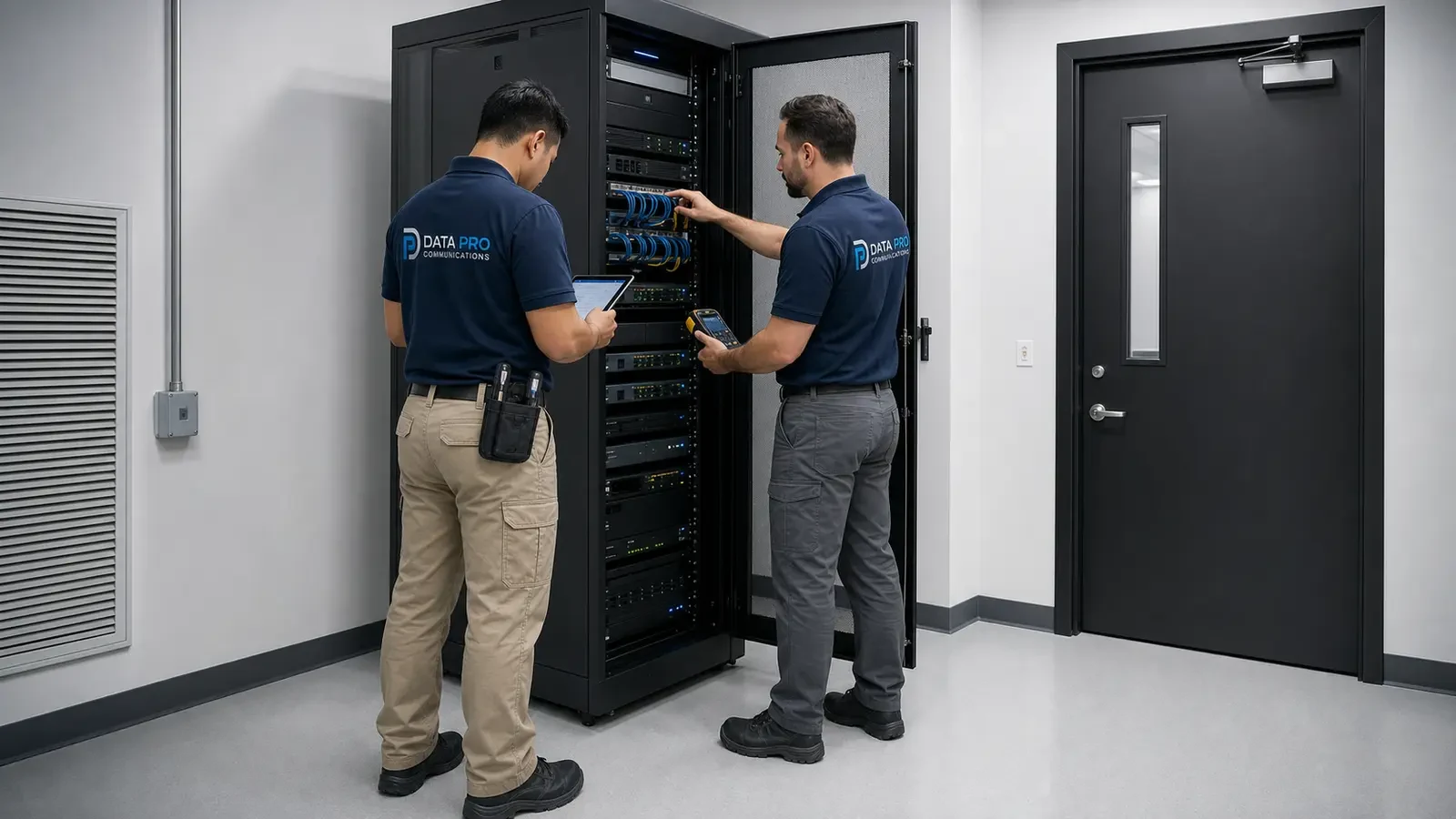
Many Orlando commercial properties have surveillance systems that evolved over time. A field assessment can distinguish equipment that is still useful from components that are limiting image quality, storage, remote access or maintainability.
The Camera Services hub helps buyers compare CCTV modernization with IP-only surveillance, upgrades and troubleshooting.
A CCTV system assessment is useful when camera format, recorder support or cabling condition is not fully documented.
Network infrastructure becomes relevant when a hybrid or IP migration adds PoE switches, VLANs, bandwidth or secure remote access.
A retail property with usable coax may have a different modernization path from a warehouse expanding into new IP-only areas. The design should follow the installed infrastructure and operational need rather than forcing one technology across every site.
Document camera formats, recorder type, coax and Ethernet pathways, power and the views that must remain available.
Test reuse candidates and confirm camera/recorder compatibility, storage and any hybrid or conversion requirements.
Replace or add cameras, cabling, recorder and network components in the sequence defined for the property, preserving required coverage during phased work.
Verify live view, recording, playback, time sync, exports and user access across the final analog, IP or hybrid system and document retained equipment.
Cameras Orlando is operated by Data Pro Communications. Florida low-voltage work is performed under FL License #EC13016138. Final recommendations depend on the approved scope, site conditions and the responsibilities stated in the project documents.
Yes. A phased upgrade may keep selected analog cameras or coax in service while recorders, cameras or network-based areas are modernized, provided the equipment remains compatible.
Often it can, but the cable and connectors should be tested for condition, distance and the video format being used. Reuse should be based on evidence, not age alone.
A DVR commonly records analog or HD-over-coax camera inputs, while an NVR records IP camera streams over a network. Hybrid recorders can support combinations depending on model.
Hybrid systems can make sense when a property wants to add IP cameras or features while continuing to use serviceable analog cameras and coax during a staged migration.
Sometimes. The recorder must support IP channels or the design may require a separate NVR/VMS. Network, PoE and storage capacity also need to be considered.
It can. The replacement recorder must support the existing camera signal format, resolution and channel count. Unsupported cameras may require replacement or conversion.
Storage depends on camera count, resolution, frame rate, codec, recording mode and retention days. Usable disk capacity should be evaluated rather than relying only on the drive label.
Yes, if the recording architecture supports the combination. The project should clearly document which cameras use each pathway and how they are managed.
Test each camera’s live view, recording, playback, time synchronization and representative exports. Hybrid projects should also confirm user access across all recording components.
An assessment is useful when the existing camera format, recorder model, cabling condition or migration options are unclear, or when the property wants to modernize without unnecessary replacement.
Tell us whether the property uses analog, IP or mixed cameras, what recorder is installed and what you want to improve. We can evaluate compatibility, cabling reuse and the most practical migration path.