
Construction Security Operating Context
Planning follows the way workers, subcontractors, vendors and project staff use active construction sites, including access patterns, operating periods and the teams responsible for the systems.
Industry Security and Infrastructure Planning
Construction Security projects should reflect how workers, subcontractors, vendors and project staff move through and operate active construction sites. The useful design starts with the real property areas and workflows, not a generic commercial layout.
A site survey should verify site gates, material and equipment staging, temporary cameras, the supporting infrastructure and the periods when work can occur. The project should also account for changing sightlines and construction milestones.
Planning follows the way workers, subcontractors, vendors and project staff use active construction sites, including access patterns, operating periods and the teams responsible for the systems.
Data Pro Communications operates under FL License #EC13016138.
Turnover records should distinguish temporary construction security from permanent low-voltage work, with device locations, pathway changes and responsibility for equipment that remains after project completion.
Active construction sites require different decisions around site gates, material and equipment staging and temporary cameras. The technical plan should also confirm temporary power and connectivity, permanent rough-in pathways and turnover documentation while accounting for changing sightlines and trade coordination and access.
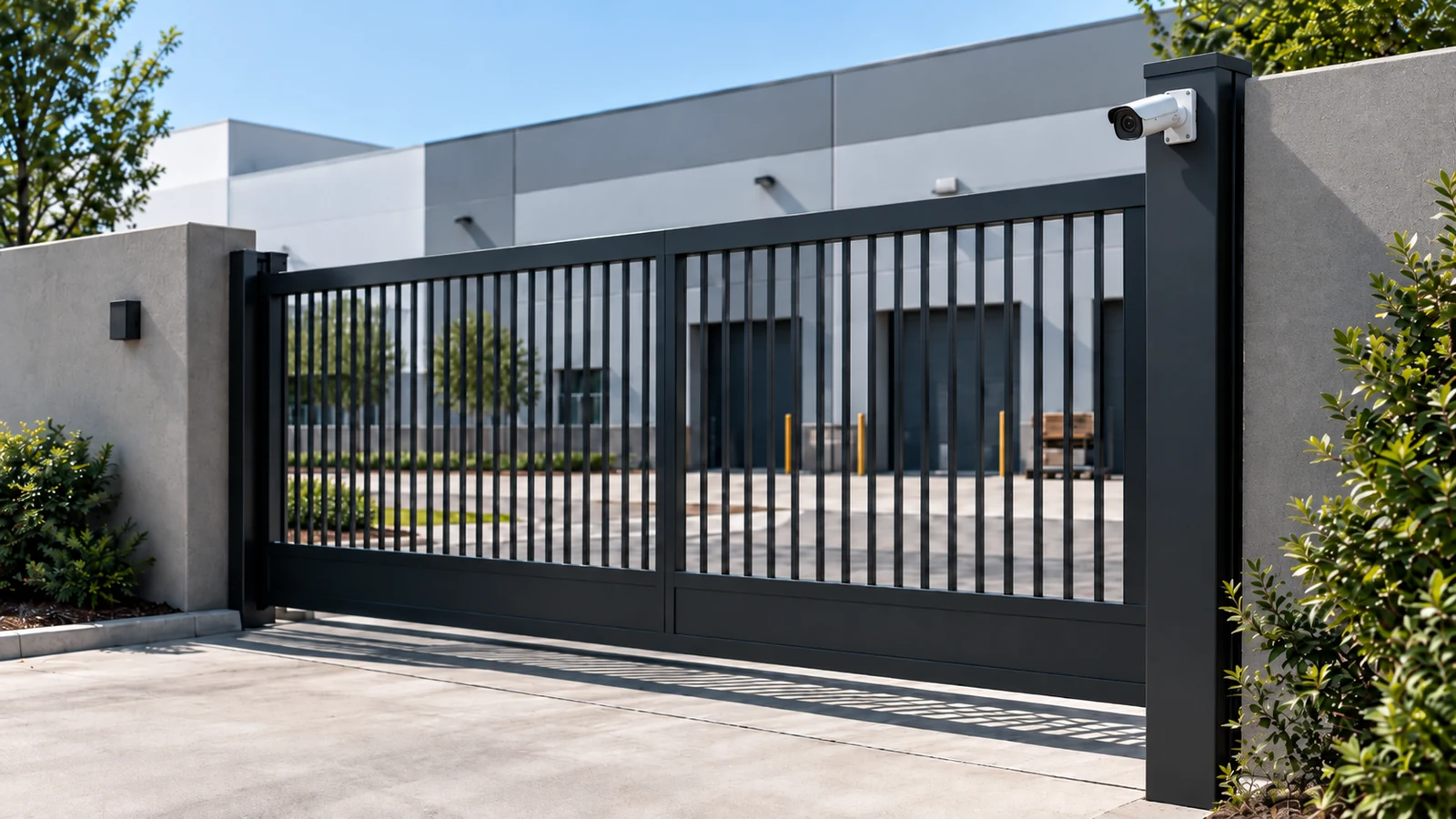
Site gates move, widen or change function as construction progresses, so a view that works during early grading may fail once fencing, trailers or delivery patterns change. Walk the active gate locations with the superintendent and confirm the current traffic pattern, mounting options and likely future relocations before committing temporary equipment.
Material laydown and equipment staging can shift from week to week and can easily block a fixed camera or wireless path. Identify high-value storage areas, equipment parking and expected staging changes, then choose positions that can be adjusted without creating repeated rework.
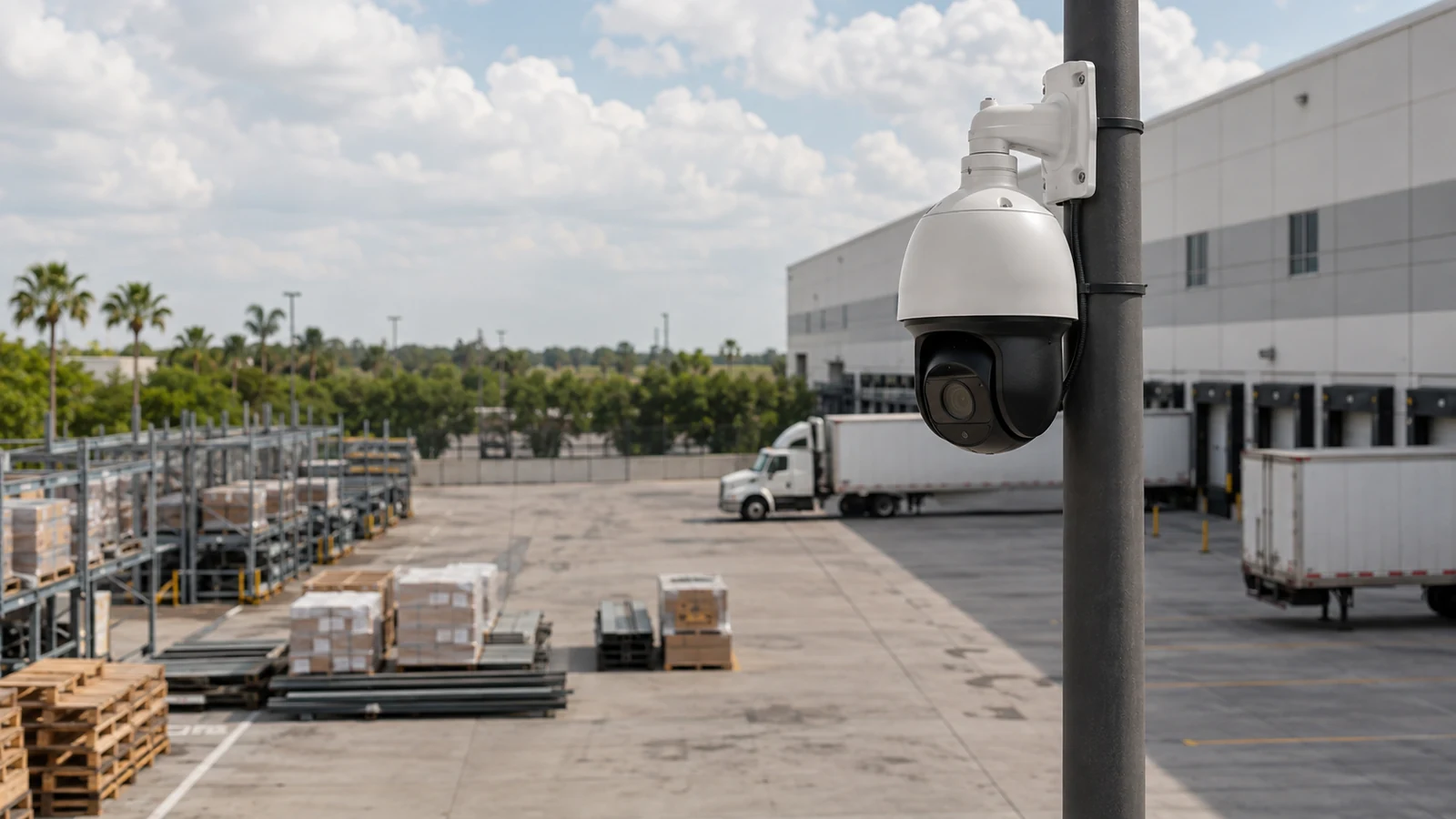
Temporary cameras are vulnerable to relocation, vibration, dust and changing obstructions as the site develops. Confirm what each camera must cover, how it will be mounted and powered, and how often its view should be rechecked as structures, lifts, containers and fencing are added.
Temporary power and connectivity may be unavailable, unstable or relocated before permanent utilities are complete. Verify the current source, expected duration, backup approach and network path so temporary surveillance does not disappear when a circuit, trailer or internet service changes.
Permanent rough-in becomes expensive to correct after walls, ceilings or concrete close. Coordinate conduit, sleeves, boxes and cable routes with reflected plans and current field conditions before concealment, especially where device locations depend on doors, gates or final exterior elevations.
Turnover records must distinguish temporary equipment from the permanent system and show what was actually installed. Before closeout, reconcile device names, cable labels, test results, credentials, as-builts and outstanding exceptions so the owner does not inherit an undocumented mix of construction-stage changes.
Coordinate Site Gates with the existing infrastructure and the project team. If a field condition changes the approved approach, document the decision before concealed or irreversible work continues. For an active construction site, recheck this item as fencing, staging, temporary utilities and permanent rough-in conditions change.
The project should leave Material And Equipment Staging understandable to operations, not only to the installer. Use clear naming, ownership and acceptance criteria tied to the property. For an active construction site, recheck this item as fencing, staging, temporary utilities and permanent rough-in conditions change.
Use Temporary Cameras as a defined operating requirement, not a generic checklist item. The project team should be able to point to the location, user group and expected result. For an active construction site, recheck this item as fencing, staging, temporary utilities and permanent rough-in conditions change.
Tie Temporary Power And Connectivity to construction phase. That means confirming the physical location, supporting pathway or network and the person responsible after turnover. For an active construction site, recheck this item as fencing, staging, temporary utilities and permanent rough-in conditions change.
For Permanent Rough-In Pathways, start with the people who use active construction sites, equipment yards, temporary project offices: business owners, facility managers, security leaders and project teams. The implementation should support their real workflow and remain serviceable after installation. For an active construction site, recheck this item as fencing, staging, temporary utilities and permanent rough-in conditions change.
Make Turnover Documentation specific enough to test in the field. Record the approved location or configuration, then verify it under representative property conditions. For an active construction site, recheck this item as fencing, staging, temporary utilities and permanent rough-in conditions change.
For active sites, treat Site Gates as part of the operating environment. Check sightlines, access, infrastructure and serviceability under the conditions that occur during normal use. For an active construction site, recheck this item as fencing, staging, temporary utilities and permanent rough-in conditions change.
At equipment yards and temporary project offices, a useful plan for Material And Equipment Staging connects location and system behavior to an owner workflow. Avoid copying the same placement from another property type. For an active construction site, recheck this item as fencing, staging, temporary utilities and permanent rough-in conditions change.
In active sites, Temporary Cameras should support a recognizable operating task rather than broad surveillance. Place or configure it around the people and activity the project team actually needs to review. For an active construction site, recheck this item as fencing, staging, temporary utilities and permanent rough-in conditions change.
For equipment yards and temporary project offices, treat Temporary Power And Connectivity as part of the operating environment. Check sightlines, access, infrastructure and serviceability under the conditions that occur during normal use. For an active construction site, recheck this item as fencing, staging, temporary utilities and permanent rough-in conditions change.
At active sites, a useful plan for Permanent Rough-In Pathways connects location and system behavior to an owner workflow. Avoid copying the same placement from another property type. For an active construction site, recheck this item as fencing, staging, temporary utilities and permanent rough-in conditions change.
In equipment yards and temporary project offices, Turnover Documentation should support a recognizable operating task rather than broad surveillance. Place or configure it around the people and activity the project team actually needs to review. For an active construction site, recheck this item as fencing, staging, temporary utilities and permanent rough-in conditions change.
Before installation, verify the physical and technical requirements behind Site Gates: location, pathway, power/network interface and the person who owns changes after handoff. For an active construction site, recheck this item as fencing, staging, temporary utilities and permanent rough-in conditions change.
Confirm Material And Equipment Staging in the field against changing site conditions. Record any distance, capacity, environmental or access condition that can change the proposed design. For an active construction site, recheck this item as fencing, staging, temporary utilities and permanent rough-in conditions change.
Temporary Cameras needs an explicit technical owner. The project team should know which infrastructure it depends on and what test will show that the requirement is satisfied. For an active construction site, recheck this item as fencing, staging, temporary utilities and permanent rough-in conditions change.
Check Temporary Power And Connectivity before procurement or concealed work. A mismatch here can change mounting, cabling, network capacity, storage or service access at active construction sites, equipment yards, temporary project offices. For an active construction site, recheck this item as fencing, staging, temporary utilities and permanent rough-in conditions change.
Validate Permanent Rough-In Pathways under representative construction phase, not only from drawings. The final record should capture the installed condition and any limitation that remains. For an active construction site, recheck this item as fencing, staging, temporary utilities and permanent rough-in conditions change.
For Turnover Documentation, document the supporting infrastructure and acceptance method so a future technician can distinguish a design choice from an unresolved field condition. For an active construction site, recheck this item as fencing, staging, temporary utilities and permanent rough-in conditions change.
Construction work may combine temporary surveillance with permanent cabling, fiber, Wi-Fi and access-control rough-in. Temporary devices should not consume or block the permanent pathways, ports or ownership model intended for turnover.

For Orlando active construction sites, the meaningful design inputs come from the property itself: site gates, material and equipment staging, temporary cameras, infrastructure ownership and operating schedule. Orlando identifies the service market; it does not replace a field review.
Use the hub to connect construction-phase needs with the industry that will occupy the finished property.
A construction survey can verify temporary utilities, active gates, staging and rough-in opportunities before the next milestone.
Integrated Solutions is relevant when permanent cabling, fiber, network, access-control or AV rough-in is part of the construction scope.
Active sites, equipment yards and temporary project offices can use similar equipment but differ in layout, operating schedule and infrastructure ownership. The recommendation should follow those differences, especially changing sightlines and trade coordination and access.
Walk the property with the responsible construction security stakeholders and document site gates, material and equipment staging, temporary cameras and the existing systems that may be reused.
Confirm the technical plan for temporary power and connectivity, permanent rough-in pathways and turnover documentation, including ownership, pathways and the acceptance checks needed before field work begins.
Coordinate field work with the superintendent and current construction phase. Rough-in, temporary-device relocation and permanent device installation should follow access, lift availability, drywall and turnover milestones rather than a generic occupied-building schedule.
Validate site gates, material and equipment staging and representative temporary cameras conditions, then confirm recording or connectivity, user permissions and the documentation the construction security operating team will use after turnover.
Data Pro Communications - South Orlando is operated by Data Pro Communications. Florida low-voltage work is performed under FL License #EC13016138. Final recommendations depend on the approved scope, site conditions and the responsibilities stated in the project documents.
Planning is most effective before pathways, ceilings and walls are closed. Early coordination lets the team confirm device locations, rough-in routes, telecom spaces and any temporary security that must move as the site changes.
Treat camera positions as temporary operational points unless they are part of the permanent design. Staging areas, gates, material storage and sightlines can move during the project, so the plan should define when relocation is expected.
Confirm sleeves, conduit, cable routes, backboxes, device mounting locations and telecom-room terminations. Missing a pathway before close-in can create unnecessary rework later.
They may, but temporary power, network availability and ownership should be documented separately from the permanent design. Equipment used during construction should not create an undocumented dependency after turnover.
The responsible project team should include the general contractor or project manager plus the owner, security, IT or low-voltage stakeholder who owns the final system. Device locations should be resolved before conflicting trades make the route difficult.
Permanent cable should use the approved pathway and remain protected from damage, contamination and other trades. Testing should occur after termination and again as required before turnover if the environment creates a risk of damage.
Provide final device and cable identifiers, test results, equipment locations, account or credential ownership and known deviations from the approved plan. The records should reflect the installed condition, not only the original drawing.
Rough-in, cable pulling, device installation and commissioning occur at different milestones. The schedule should follow access, lifts, power, network readiness, ceiling completion and owner turnover requirements.
A common mistake is approving device counts without confirming pathways and final mounting conditions. The result can be inaccessible cable routes, blocked views or devices that cannot be installed where the drawing expected.
Review gates, staging and equipment areas, permanent device locations, pathway status, telecom rooms, temporary connectivity and the next construction milestones that could affect access or rough-in.
Share the project phase, site layout, temporary security needs and permanent low-voltage milestones. That gives the field team enough context to coordinate survey, rough-in and turnover requirements.