
Commercial-First Planning
Projects are planned around property operations, infrastructure and the people responsible for the system.
Commercial Camera Resource | Camera-system comparisons
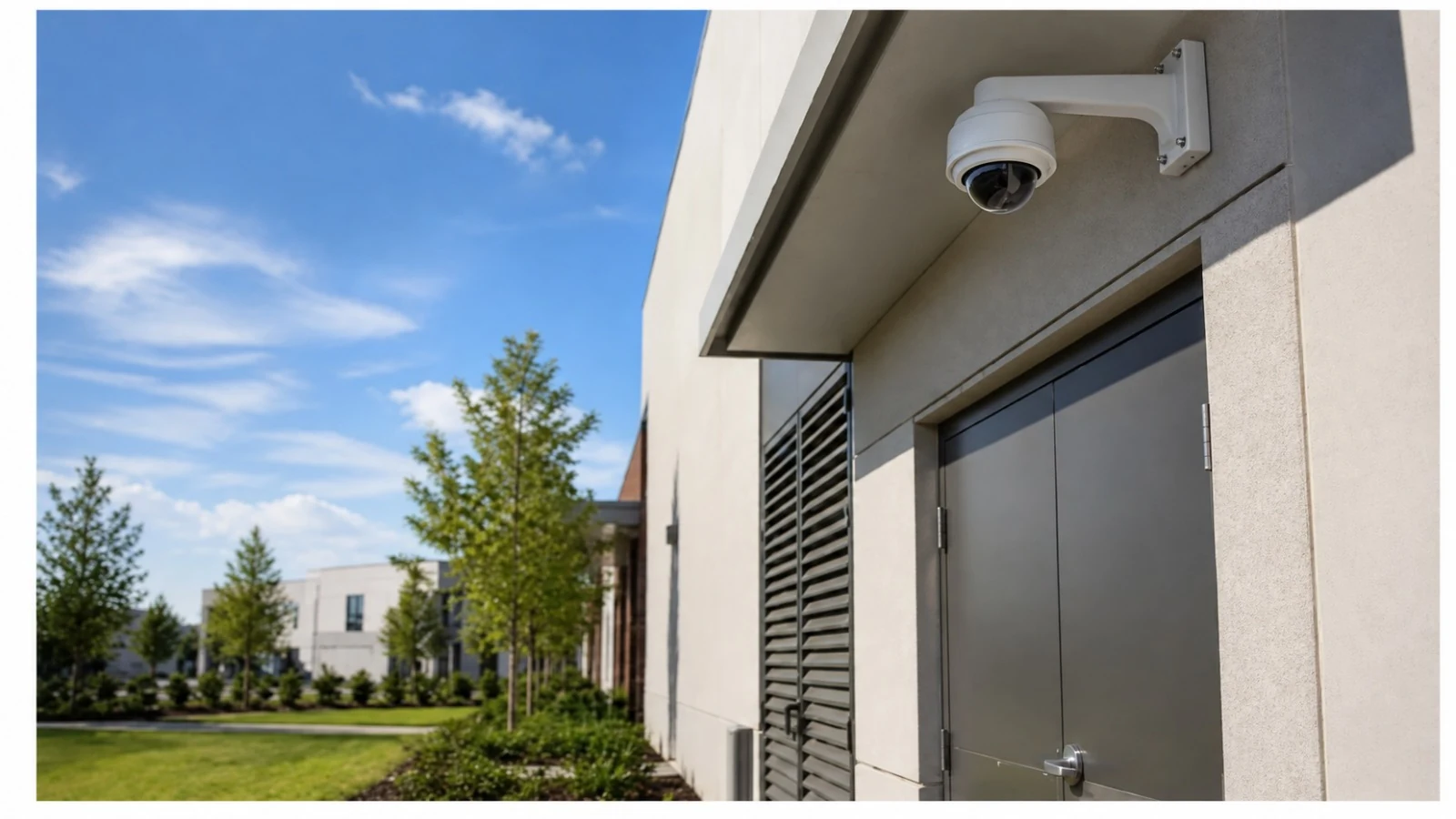
Dome and bullet cameras can use similar sensors and lenses; the practical choice usually comes down to mounting, visibility, environmental exposure, vandal resistance, infrared behavior and service access.
A low retail ceiling may favor a compact vandal-resistant dome where the viewing direction should not be obvious. A discreet dome can be harder to aim or may suffer IR reflection under a dirty cover, while a visible bullet is easier to direct and service but more obvious and exposed.
Projects are planned around property operations, infrastructure and the people responsible for the system.
Data Pro Communications operates under FL License #EC13016138.
Testing, labeling, credentials and known limitations are organized for the people who will operate and support the system.
Dome and bullet cameras can use similar sensors and lenses; the practical choice usually comes down to mounting, visibility, environmental exposure, vandal resistance, infrared behavior and service access.
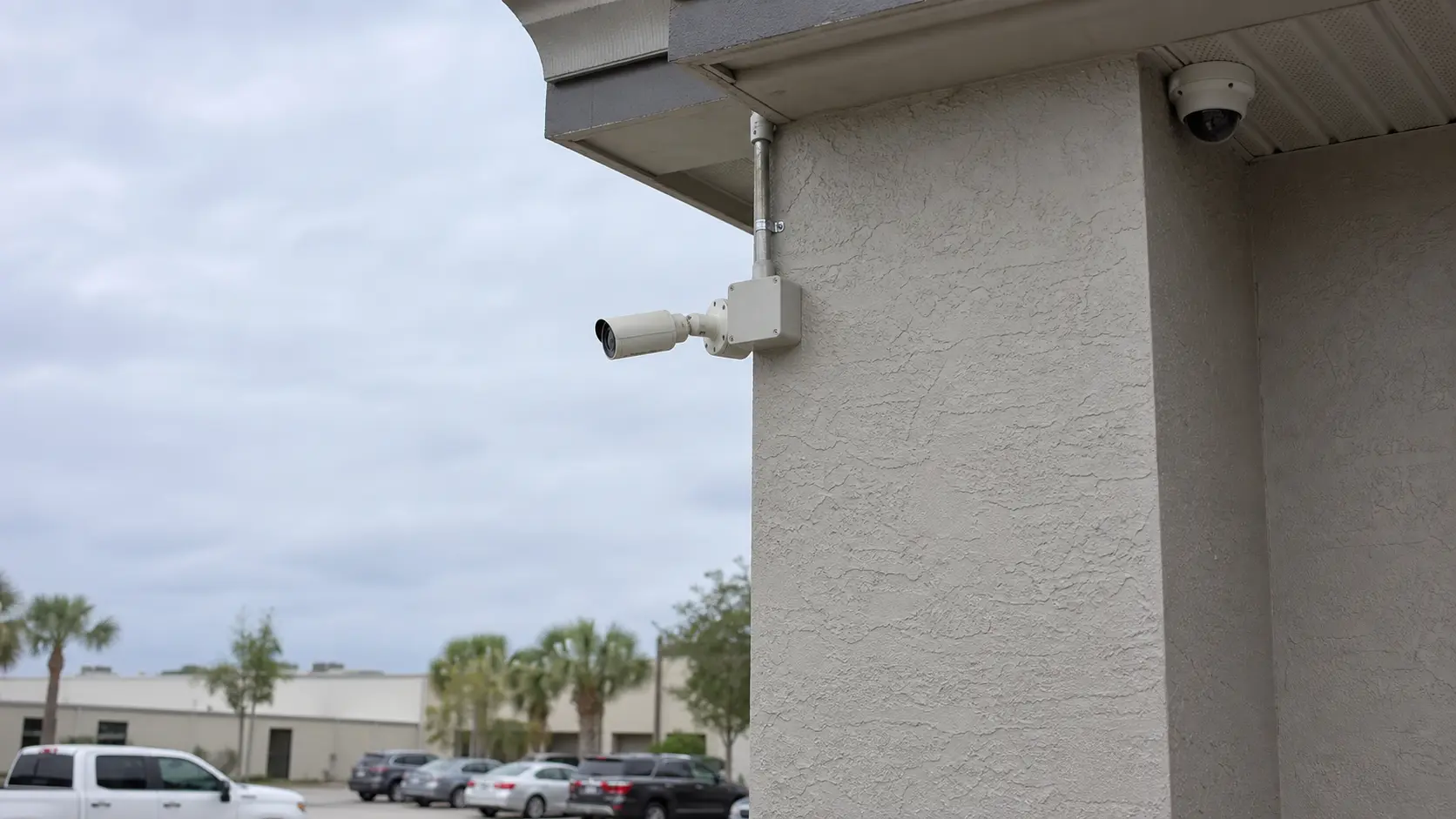
A housing that does not fit the mounting surface or exposure can make aiming, weather protection or future service unnecessarily difficult.
Insufficient pixel density at the target can prevent identification even when the overall image looks sharp.
Backlighting, IR reflection, glare or motion blur can remove usable detail even when daytime footage looks acceptable.
The chosen housing does not solve transport limits; an unsuitable coax, Ethernet or wireless path can prevent the camera from delivering its intended stream.
A camera may connect to a recorder but still lose features when codec, resolution, stream profiles or analytics are unsupported.
Indoor conditions or a sheltered walkthrough can hide wind-driven rain, direct sun or wash-down exposure that affects the housing choice.
Choose dome, bullet or another housing from mounting surface, exposure, visibility and service-access requirements.
Calculate the detail needed at the target distance and verify the lens and scene width can place enough pixels on that target.
Test the intended view during the difficult light condition, not only during a daytime walkthrough.
Verify the selected camera's bitrate, power method and recorder path across the actual Ethernet, coax or wireless transport used at the location.
Before choosing a camera form factor, confirm the recorder accepts the camera’s codec, resolution and stream settings; a compatible mount does not solve an incompatible recording path.
Match housing and ingress protection to actual rain, dust, heat, impact and cleaning exposure at the mounting point; an overhang and an open yard do not present the same environment.
A low retail ceiling may favor a compact vandal-resistant dome where the viewing direction should not be obvious.
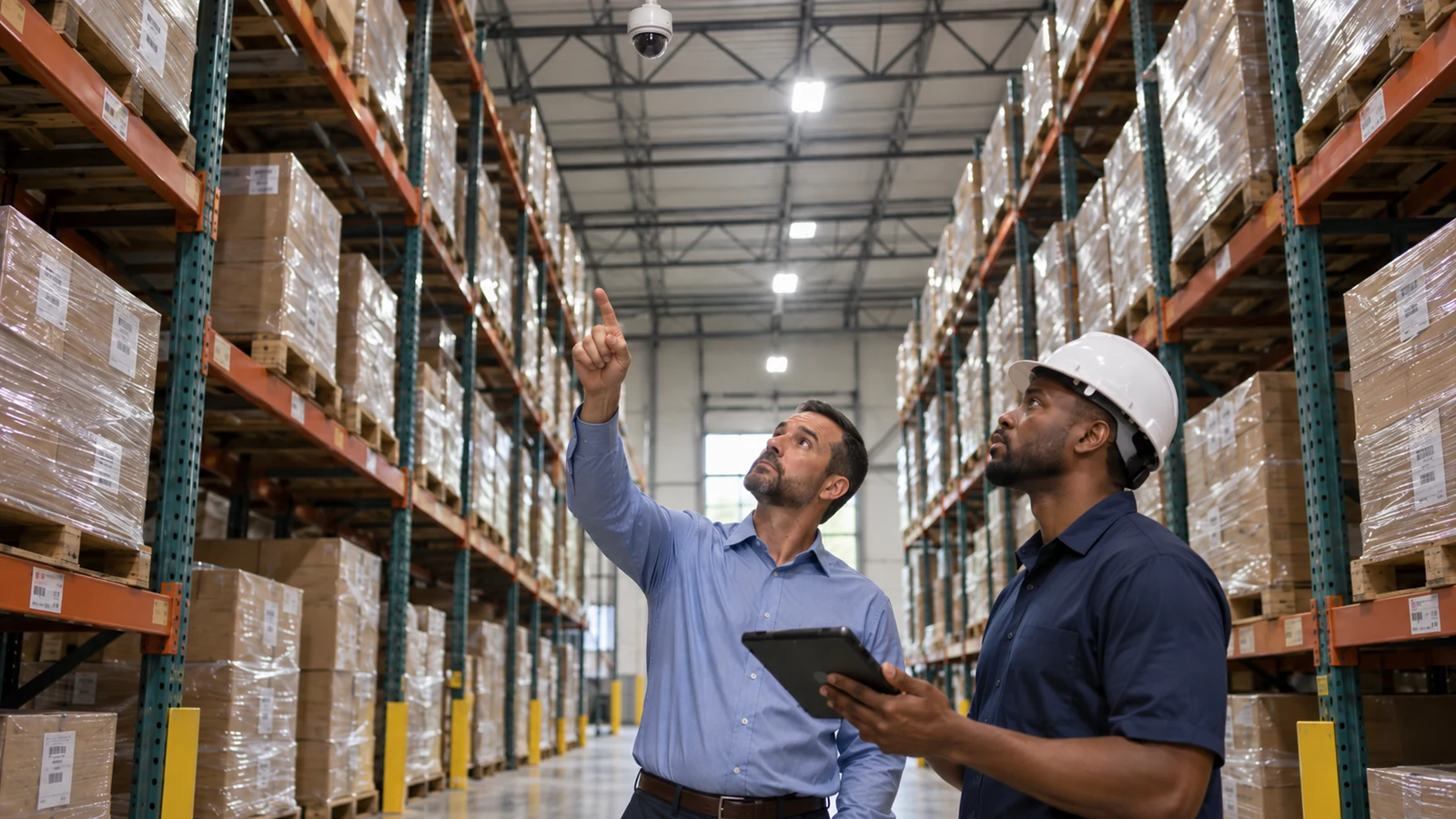
A warehouse exterior may favor a bullet camera with a visible housing, sunshield and easy access for lens adjustment.
A lobby view must handle doorway backlight, finished mounting surfaces and the balance between an obvious camera and a discreet housing. Compare glare, infrared reflection, camera visibility and service access from the intended ceiling or wall mount; housing style does not compensate for the wrong lens or exposure.
Outdoor parking exposes cameras to weather, glare, vehicle obstruction and longer service distances than an interior scene. Compare weather rating, sunshield, impact exposure, infrared behavior and ease of re-aiming without assuming a bullet camera automatically provides more range.
A renovation may preserve some pathways or recording equipment while changing mounting surfaces, scene geometry and support responsibility. Check finished surfaces, available back boxes, cable entry and the visual impact of each housing while preserving the required field of view.
A phased upgrade should keep priority coverage available while old and new cameras, signal paths and recorder channels are verified together. Confirm that both form factors support the recorder, codec, resolution, analytics and PoE available during each upgrade stage.
Evaluate camera form factor through scene width, target distance, lens, pixel density, light, compression and required detail; the accepted result should come from recorded playback in the actual scene.
Evaluate resolution through scene width, target distance, lens, pixel density, light, compression and required detail; the accepted result should come from recorded playback in the actual scene.
Evaluate lighting response through scene width, target distance, lens, pixel density, light, compression and required detail; the accepted result should come from recorded playback in the actual scene.
A dome or bullet camera still needs a transport path that supports its bitrate, power method and recorder compatibility; compare Ethernet, coax or wireless constraints at the chosen location.
Confirm that the selected camera stream, codec and resolution are supported by the recorder or VMS; housing style does not matter if the recording platform cannot use the stream correctly.
Match housing and ingress protection to actual rain, dust, heat, impact and cleaning exposure at the mounting point; an overhang and an open yard do not present the same environment.
Dome and bullet housings generally use the same camera-network and recording interfaces. Integration becomes relevant only when a selected model changes PoE demand, recorder compatibility, analytics support or the mounting accessories required at the scene.
For an Orlando property, camera form factor should follow mounting surface, exposure, visibility and service access; local context does not make one housing style universally better.
Camera placement, resolution, low-light and environmental-rating guides can refine the dome-versus-bullet decision for a specific mounting location.
Camera Services can translate the dome vs. bullet cameras decision into camera locations, mounts, pathways, recorder compatibility and accepted views.
A site review is useful when the actual mounting, exposure, scene or compatibility conditions cannot be settled from the dome vs. bullet cameras comparison alone.
Neither option is universally better. Choose after comparing camera form factor, resolution, recording compatibility and the actual mounting, infrastructure and support conditions.
Check whether the camera will be under an eave, on a wall, exposed to weather or within reach of occupants. Housing style should follow the physical location rather than a preference for how a dome or bullet camera looks.
Decide whether an obvious camera provides useful deterrence or whether a lower-profile housing fits the space better. Also consider how easily the camera can be aimed, cleaned and reopened for service.
Evaluate IR reflection, nearby walls or soffits, rain exposure and possible vandal contact at the actual mounting position. A housing that performs well in one location may create glare or maintenance problems in another.
Select the form factor only after lens, field of view and mounting angle can satisfy the scene. Dome and bullet cameras can use similar imaging hardware, so the best choice is the housing that supports the required view and operating environment.
Cameras Orlando is operated by Data Pro Communications. Florida low-voltage work is performed under FL License #EC13016138.
Compare mounting orientation, visibility, vandal exposure, weather protection, infrared reflection, aiming and service access rather than assuming the housing determines image quality.
Evaluate resolution from the actual scene width, target distance, lens, recorded pixel density, compression and representative light, then confirm the needed detail in an export.
Test lighting response at the difficult time of day or night and review recorded detail, motion blur, noise, glare and infrared behavior.
Housing style alone does not determine transport. Confirm that the selected camera's PoE demand, protocol, codec and resolution are supported by the cabling, network or coax path and by the recorder.
For recording compatibility, compare camera signal or protocol, resolution, codec, channel limits, firmware support and recording features, then test live view, playback and export on the proposed recorder.
Check weather, temperature, direct sun, dust, washdown or impact exposure, mounting surface and whether the housing can be serviced safely.
No. The better fit depends on camera form factor, resolution, lighting response and the property conditions described in the comparison.
Yes, when network or signal transport, recording compatibility and ownership are compatible and each scene has a documented reason for the choice.
Buyers often overlook how recording compatibility and environmental rating affect support, migration or recorded results after installation.
For dome vs. bullet cameras, test both options against the same required scene, operating condition, recorded playback and service-access expectation.
Compare dome and bullet options at the actual mounting surfaces, including exposure, visibility, infrared behavior and future service access.