
Commercial-First Planning
Projects are planned around property operations, infrastructure and the people responsible for the system.
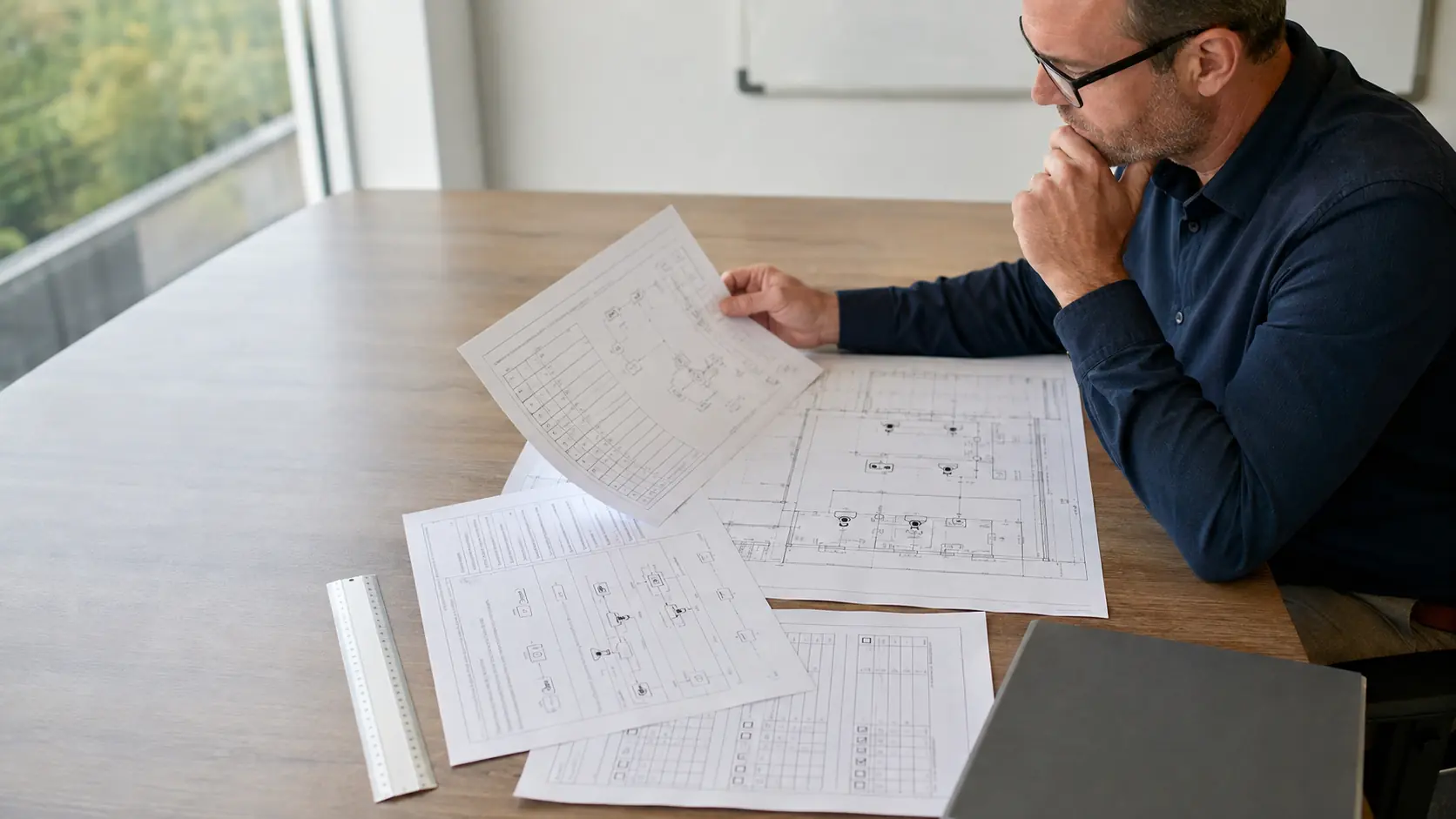
Commercial Camera Resource | Installer selection
Choose an installer by verifying applicable Florida licensing, relevant commercial experience, named project responsibility, testing and closeout practices, service escalation and references for comparable work, not by camera brand or device price alone.
A warehouse buyer should ask for experience with long pathways, docks and active operations rather than accepting an unrelated residential reference. A thorough proposal may cost more than a device-only quote, but it makes pathways, labor, testing, responsibilities and exclusions visible before work starts.
Projects are planned around property operations, infrastructure and the people responsible for the system.
Data Pro Communications operates under FL License #EC13016138.
Testing, labeling, credentials and known limitations are organized for the people who will operate and support the system.
Choose an installer by verifying applicable Florida licensing, relevant commercial experience, named project responsibility, testing and closeout practices, service escalation and references for comparable work, not by camera brand or device price alone.
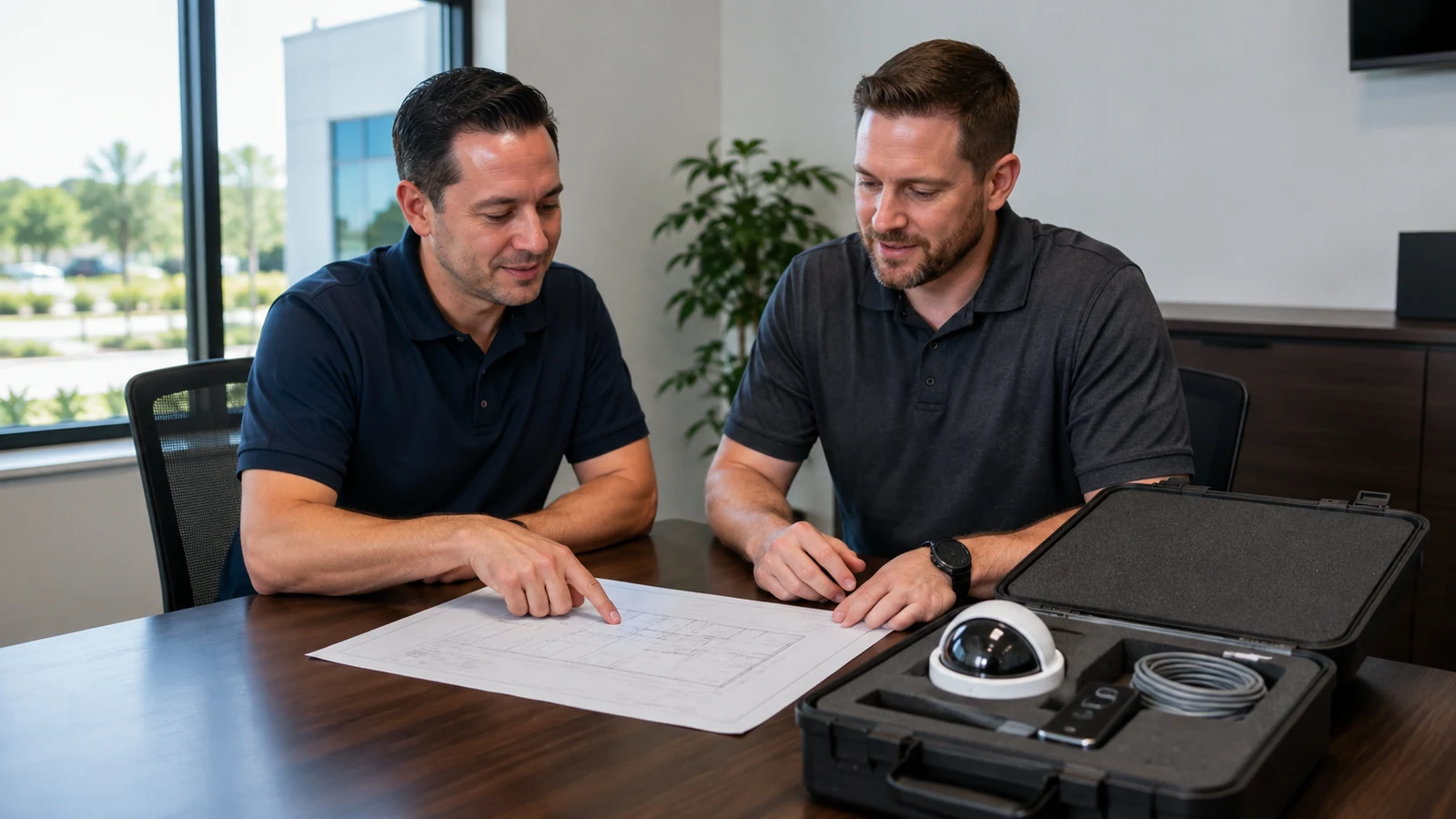
Weak evidence for Florida electrical licensing verification can make proposals look equivalent when experience, labor, testing or exclusions differ. Compare the same installed responsibilities before using price as the deciding factor.
An installer may have general security experience without having delivered commercial low-voltage projects with comparable camera counts, pathways, testing and operating constraints.
A proposal is harder to evaluate when it does not identify who manages the project, supervises field work and handles technical escalation.
An installer should be able to show how recorded scenes, playback, export, account access and retained infrastructure will be tested before the project is accepted.
A vendor relationship becomes difficult to support when staff do not know where to report a fault, how long to wait for a response or who handles an unresolved issue.
A reference from a recognizable customer is not very informative when the completed work was much smaller or technically different from the proposed camera project.
Verify the contractor license and qualifier information applicable to the proposed Florida low-voltage work before award.
Ask for projects with similar camera count, property type and infrastructure complexity rather than relying on unrelated residential or small-device experience.
Confirm who manages the project, who supervises field work and who owns technical escalation so responsibility is visible before installation begins.
Ask how the installer verifies recorded views, playback, exports, user roles and documentation; commissioning quality matters more than a promise that equipment was installed.
A credible service path should state how faults are reported, who receives the request, when escalation occurs and how unresolved issues move to the next support level.
Use references whose scope resembles the proposed camera, cabling and integration work, not simply references from a recognizable customer name.
A warehouse buyer should ask for experience with long pathways, docks and active operations rather than accepting an unrelated residential reference.
An office manager can compare how bidders handle after-hours access, user permissions, training and documentation.
A multi-site proposal should show which standards repeat, which field conditions vary and who owns exceptions at each property. Require a named project lead and site responsibility for each location, including who approves field changes and site exceptions.
Cabling comparisons should identify routes, media, distance, testing, protection, patching and responsibility for failed reuse assumptions. Compare cable routes, termination, certification, lifts and restoration on the same scope instead of accepting a generic cabling allowance.
An acceptance test should describe the recorded scene, operating condition, playback or export result and person authorized to approve it. Ask for recorded-scene, playback, export and account tests that the property representative can witness before closeout.
Service terms are meaningful only when the request path, triage owner, site access and verification of completed work are clear. Review the service request path and references from projects with similar property conditions, labor and support responsibility.
A technical comparison of Florida electrical licensing verification should normalize included labor, pathways, testing, exclusions, responsible parties and comparable commercial experience so differences in responsibility and testing remain visible.
A technical comparison of commercial low-voltage project experience should normalize included labor, pathways, testing, exclusions, responsible parties and comparable commercial experience so differences in responsibility and testing remain visible.
A technical comparison of named project responsibility should normalize included labor, pathways, testing, exclusions, responsible parties and comparable commercial experience so differences in responsibility and testing remain visible.
Compare proposals on their camera-by-camera test plan, cable certification, account turnover, training, labels, configuration records and treatment of open exceptions.
A credible service path should state how faults are reported, who receives the request, when escalation occurs and how unresolved issues move to the next support level.
A technical comparison of reference-scope relevance should normalize included labor, pathways, testing, exclusions, responsible parties and comparable commercial experience so differences in responsibility and testing remain visible.
Proposals for installer selection should identify responsibility for commercial low-voltage project experience, named project responsibility and testing and closeout practices, including customer-furnished network or electrical work. This makes exclusions and interface testing comparable before award.
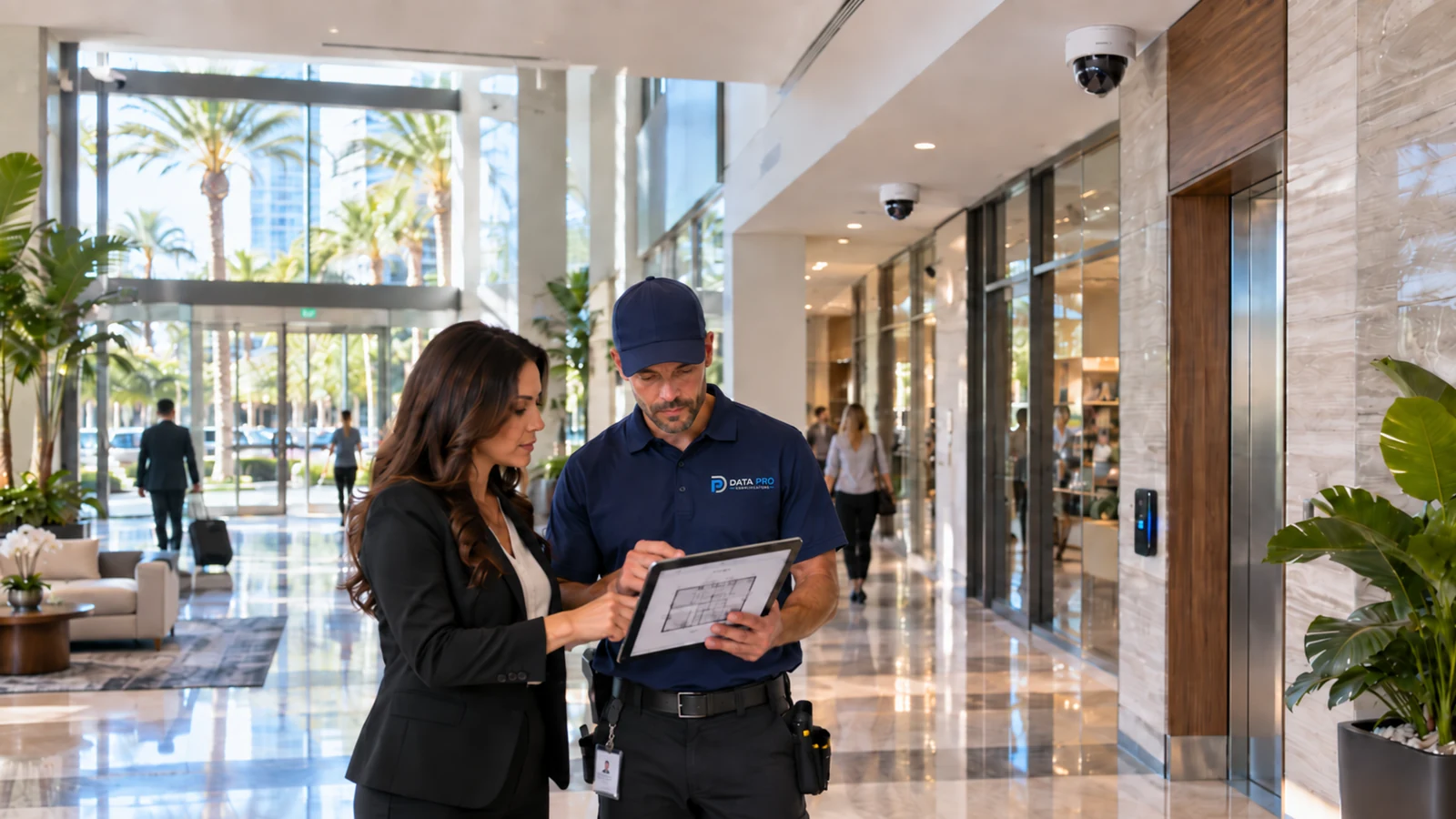
When choosing a security camera installer for an Orlando project, the property owner should compare who is responsible for survey, pathways, mounting, network coordination, testing, training and closeout, not only the camera brand or quoted total. Licensing verification, commercial project experience and clearly assigned project responsibility help make competing proposals easier to evaluate on the same scope.
Installer-selection research pairs well with guides on installation scope, testing, cabling and system handoff so proposal promises can be compared against real field work.
Camera Services provides the installation, upgrade, recording and troubleshooting context needed to judge whether an installer has covered the complete system.
A scope review can clarify pathways, tests, closeout and exclusions before an installer is selected for installer selection.
A fair buying decision compares Florida electrical licensing verification, commercial low-voltage project experience, exclusions, service and escalation process and the complete installed responsibility before comparing totals.
Confirm the contractor holds the required Florida electrical licensing for the work and has experience with commercial camera, cabling and network environments similar to the project. A low bid is not comparable if the proposer cannot legally or practically deliver the scope.
Put camera quantities, mounting, pathways, cable type, switching, recording, programming and exclusions on one comparison sheet. This exposes proposals that appear cheaper because infrastructure or closeout work is missing.
Review how each installer will verify recorded views, label the system, provide account information and support issues after installation. Proposal quality is easier to judge when acceptance and handoff are described before award.
Consider equipment, labor, project coordination, testing, training, documentation and exclusions together. The best proposal is the one that clearly states what will be delivered and what the customer or another contractor must provide.
Cameras Orlando is operated by Data Pro Communications. Florida low-voltage work is performed under FL License #EC13016138.
Confirm the contractor and qualifying license information through the applicable Florida source and make sure the licensed entity matches the proposal.
Look for comparable property types, active-site coordination, pathways, network and recorder work, scene testing, training and documented closeout.
The proposal should name the project lead, field supervision, network or configuration owner, customer contact and service-escalation path.
For testing and closeout practices, verify the visible scene or system function under representative operation, review recorded playback, complete an export, check authorized accounts and document exceptions.
The proposal should identify how service is requested, who triages the issue, escalation contacts, access requirements, documentation and how completed work is verified.
A useful reference involves similar property conditions, system size, pathways, operating constraints and installer responsibilities, not merely the same camera brand.
No. For installer selection, licensing, comparable commercial work, complete labor and pathway scope, field testing, closeout and service responsibility matter more than a brand list.
Compare Florida electrical licensing verification, commercial low-voltage project experience, labor, exclusions and service and escalation process on the same scope basis before comparing totals.
A proposal for installer selection should identify what will be tested, what is assumed reusable and who owns corrective work if that assumption fails.
For installer selection, request camera and cable labels, recorded-view tests, account ownership, export verification, training and known limitations.
If proposals treat Florida electrical licensing verification, commercial low-voltage project experience or service and escalation process differently, request a scope review before comparing totals or awarding the work.