
Commercial-First Planning
Projects are planned around property operations, infrastructure and the people responsible for the system.
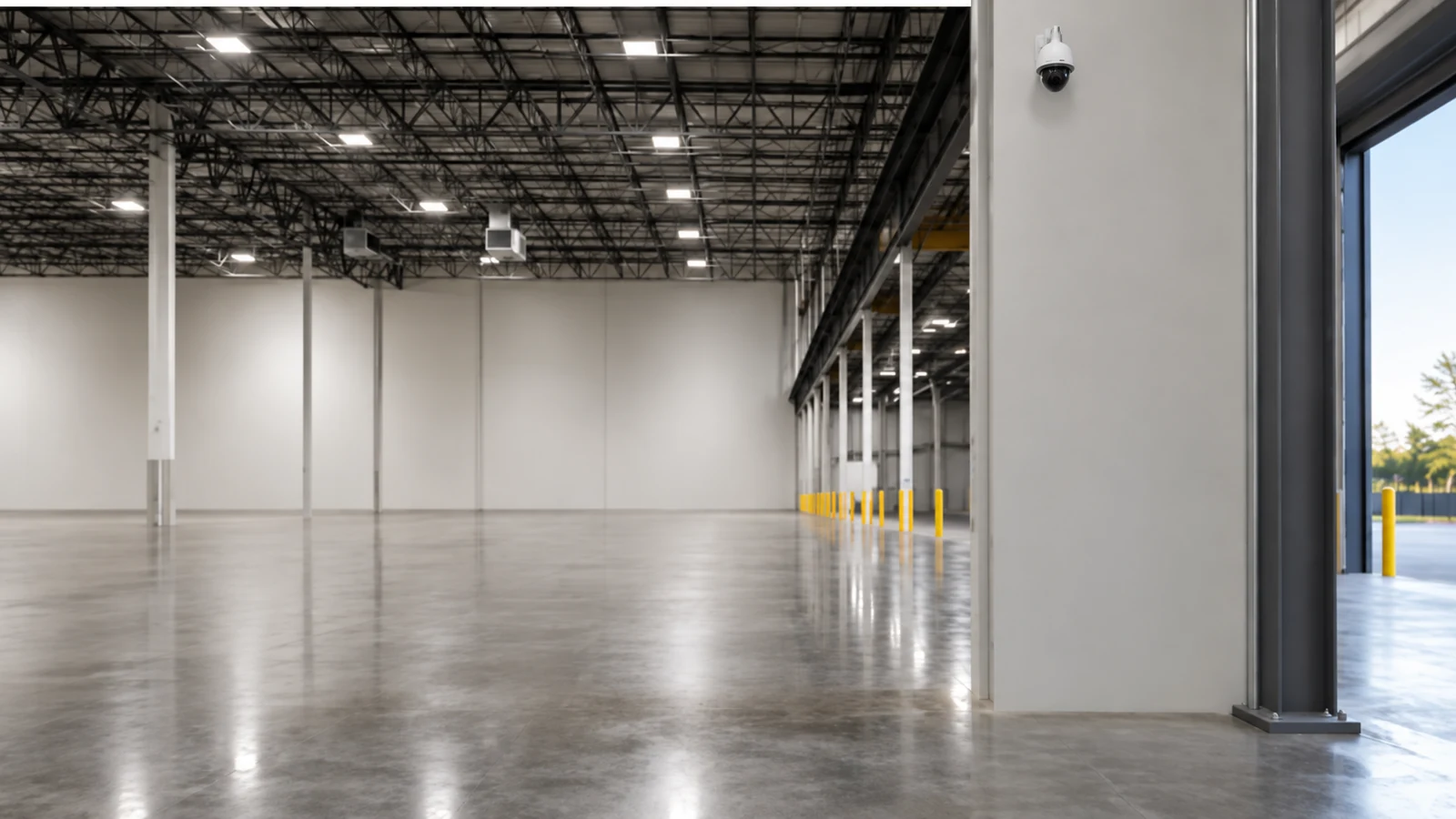
Commercial Camera Resource | Industry planning
Warehouse and industrial camera planning should account for dock doors, high-bay sightlines, yard approaches, inventory movement, long pathways and shift-based review. Vehicle and material obstruction must be evaluated during normal operations.
A dock camera should be tested with a trailer backed into position so the door and handoff zone remain visible. Elevated overview cameras cover large areas, but closer dedicated views are still needed where people, vehicles or custody events must be identified.
Projects are planned around property operations, infrastructure and the people responsible for the system.
Data Pro Communications operates under FL License #EC13016138.
Testing, labeling, credentials and known limitations are organized for the people who will operate and support the system.
Warehouse and industrial camera planning should account for dock doors, high-bay sightlines, yard approaches, inventory movement, long pathways and shift-based review. Vehicle and material obstruction must be evaluated during normal operations.
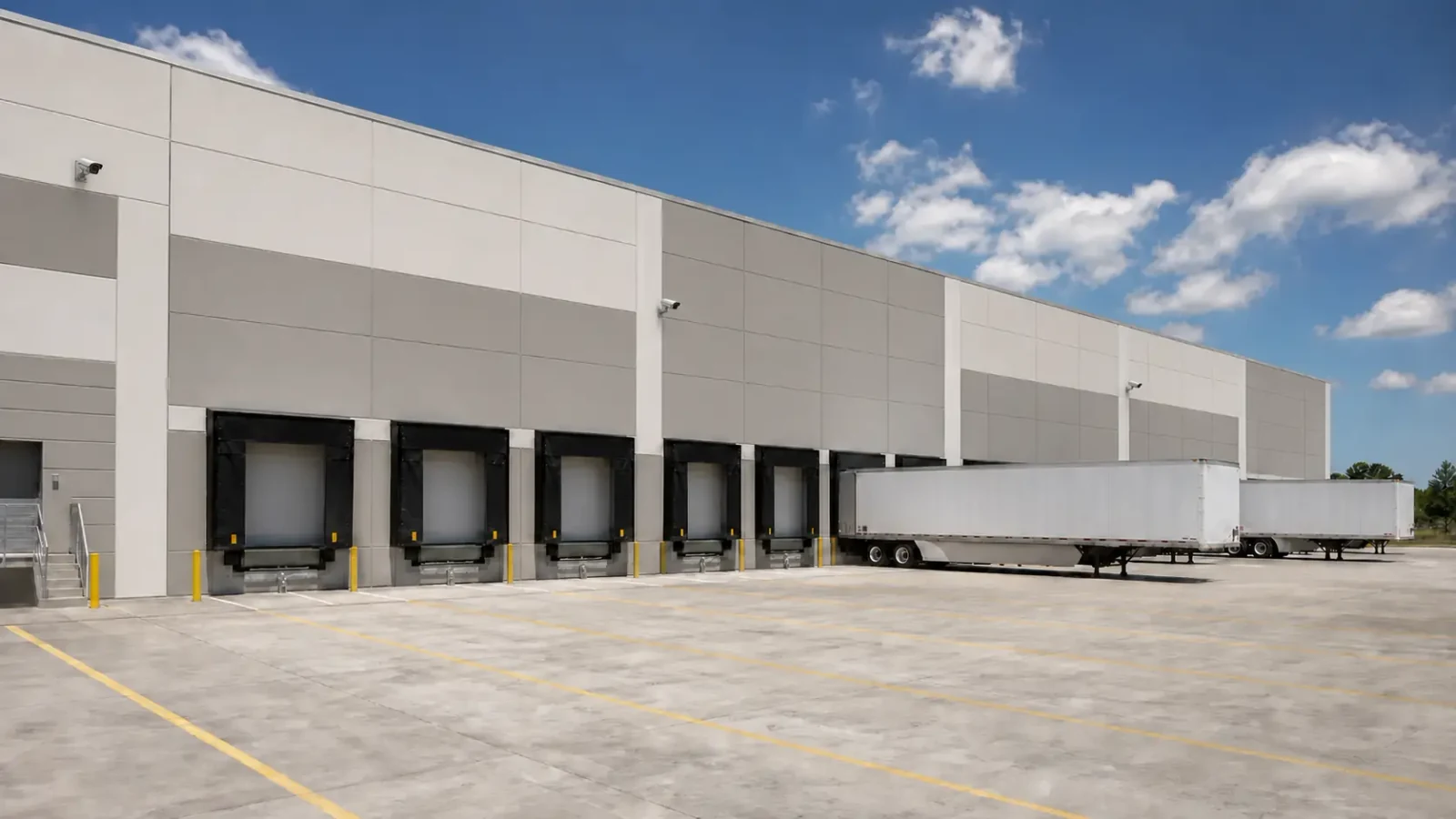
A dock camera that cannot connect the trailer, door and loading activity in one useful sequence can leave shipping or damage events ambiguous.
An empty aisle can make a long view appear effective even though pallets, lifts and inventory later block the line of sight.
A clear approach during off-hours does not show trailer stacking or traffic patterns that can hide vehicles during a normal shift.
Warehouse footage cannot explain a stock discrepancy if the views do not follow the points where inventory is received, staged, moved or dispatched.
Long routes can exceed copper limits or require intermediate telecom, fiber or power design that is not visible from a floor plan.
Open incidents can be lost at shift change when the next team does not receive the camera references, time window and status of any saved footage.
Test dock views with trailers and normal loading activity present so doors, workers and vehicle movement remain understandable in playback.
Check rack height, forklift travel, mounting elevation and the distance to the event area before deciding whether a high-bay view provides useful detail.
Observe truck approach, gate queues, turning radius, lighting and the point where identification detail is actually needed before aiming yard cameras.
Coverage should follow receiving, staging, storage and dispatch points so footage can show where inventory changed location or custody.
Measure long runs early and choose copper, fiber or intermediate telecom design from the real distance rather than a visual estimate.
Shift handoff should identify open incidents, relevant cameras and any saved clips so the next team can continue review without starting the search again.
A dock camera should be tested with a trailer backed into position so the door and handoff zone remain visible.
A remote yard camera 400 feet from the telecom room may require fiber and a powered enclosure rather than overlength copper.
Test yard and dock approaches with trailers and normal material movement present, not only when the exterior is empty.
Use synchronized views at storage, staging and loading transitions so staff can follow inventory movement across shifts.
Measure long routes and use protected copper, fiber or remote enclosures appropriate to distance and industrial exposure.
Give supervisors consistent playback and export procedures and record how unresolved events pass to the next shift.
Evaluate dock-door coverage through scene width, target distance, lens, pixel density, light, compression and required detail; the accepted result should come from recorded playback in the actual scene.
Check rack height, forklift travel, mounting elevation and the distance to the event area before deciding whether a high-bay view provides useful detail.
Observe truck approach, gate queues, turning radius, lighting and the point where identification detail is actually needed before aiming yard cameras.
Coverage should follow receiving, staging, storage and dispatch points so footage can show where inventory changed location or custody.
Approval of long cable pathways requires route length, test results, protection, termination, environmental exposure and service access, plus a test result appropriate to the copper or fiber medium.
Shift handoff should identify open incidents, relevant cameras and any saved clips so the next team can continue review without starting the search again.
For security camera planning for warehouses and industrial properties, coordinate camera views with the pathways, power, network and recording services that actually support dock-door coverage and high-bay sightlines.
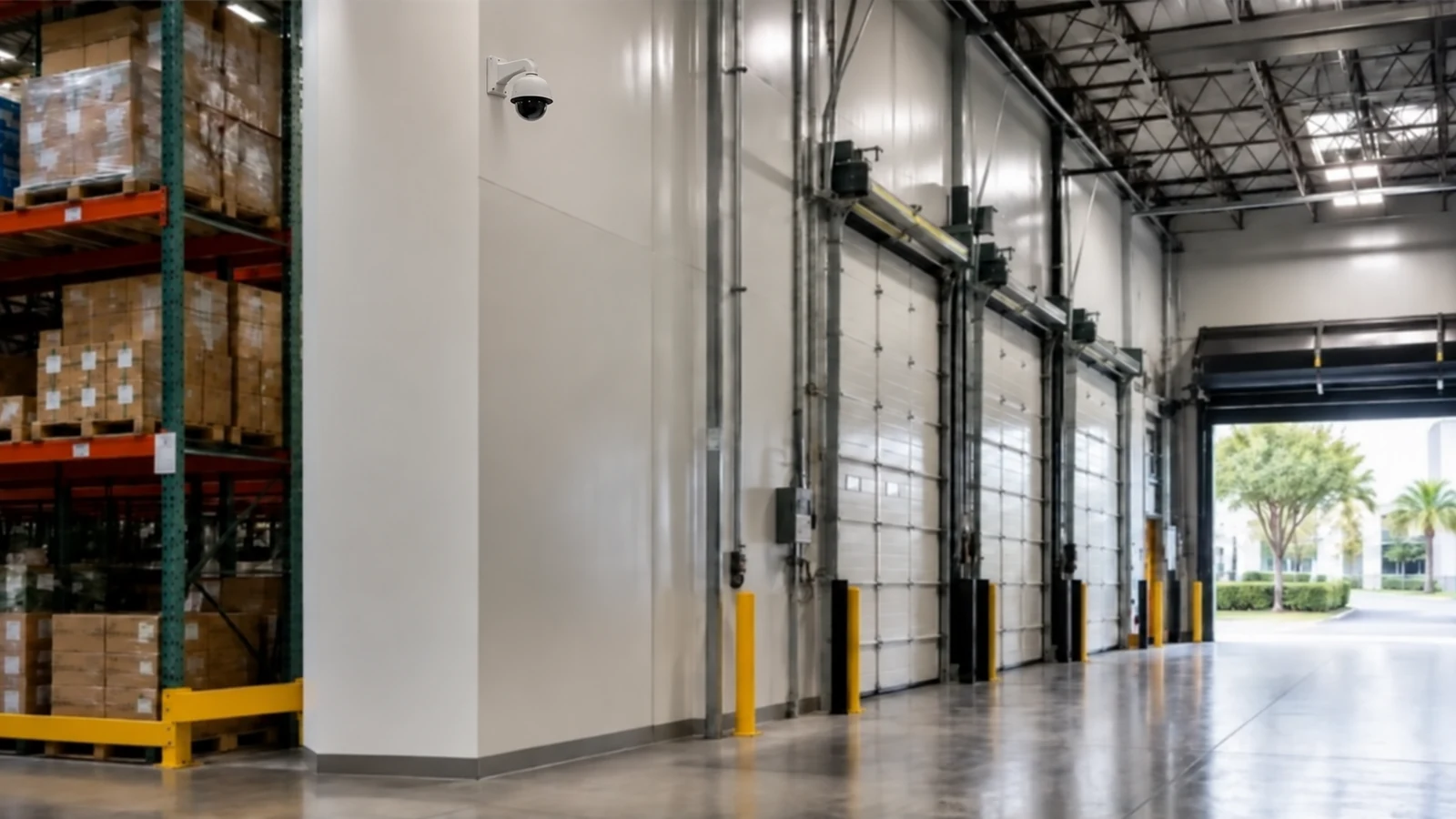
For Orlando warehouse and industrial properties, dock activity, high-bay obstructions, yard traffic and long infrastructure distances can affect both camera placement and network design. Proposed views should be checked with trailers, inventory movement and normal shift activity present, and distant devices should use pathways appropriate to the measured route.
Warehouse planning connects closely to long-distance cabling, fiber, PoE, placement and remote review because docks, yards and high-bay areas stretch normal camera pathways.
Camera Services becomes useful when the property plan for dock-door coverage or high-bay sightlines requires new views, changed recording or an upgrade.
A property assessment is useful when the required views around dock-door coverage and high-bay sightlines cannot be confirmed without observing normal operations.
The property plan should follow normal activity around dock-door coverage, high-bay sightlines and yard approaches, with permissions and review workflow shaped by long cable pathways and shift-based review.
Identify where trucks arrive, trailers stage, inventory moves and employees travel between dock, aisle and exterior areas. These events often need different scene widths and camera positions.
Measure high-bay mounting positions, long aisle or yard distances and the route back to switching or telecom spaces. Large facilities may require intermediate IDFs or fiber instead of extending copper beyond practical limits.
Schedule lifts, aisle access and dock work around shipping, receiving and production activity. Camera installation should not block active lanes or create unsafe conflicts with forklifts and trucks.
Review playback while trailers, vehicles and material movement are present, not only when the facility is quiet. Confirm that obstructions, headlight glare and high mounting angles still allow the required detail.
Cameras Orlando is operated by Data Pro Communications. Florida low-voltage work is performed under FL License #EC13016138.
For dock-door coverage, start with the event the camera must explain, then check the approach path, normal obstructions, mounting position and recorded detail from the proposed view.
Account for rack height, lifts, changing inventory and the safe service route to the mount. Test recorded detail from the floor and from normal equipment travel paths before fixing the final angle.
Use wider views for truck and equipment movement and focused views where vehicles slow or credentials are checked. Trailers, stacked materials and night lighting should be present during testing.
Use synchronized views at aisles, staging and dock transitions so staff can follow movement without giving unnecessary access to unrelated areas.
For long cable pathways, trace and label the route, inspect protection and termination, measure distance, use the appropriate copper or fiber test and confirm future service access.
Use consistent camera names and timestamps, assign review roles by shift and document how unresolved events are handed to the next supervisor.
Use synchronized time and clear names so supervisors can follow a load from the yard approach through a dock door and into staging or storage areas without searching every camera.
A yard or high-bay overview may show movement but not identify a driver, plate or person at a gate, dock door or controlled transition. Those points often need dedicated cameras.
Assign playback and export rights to the supervisors or security roles responsible for each shift, and record how unresolved incidents are handed to the next team.
Test dock views with trailers present, aisles with normal inventory obstruction, yard approaches in low light and long network or fiber links under load. Verify playback, export and shift permissions.
If the property needs stronger evidence at dock-door coverage or high-bay sightlines, request a site review built around those scenes, normal operating conditions and the people who use the footage.