
Commercial-First Planning
Projects are planned around property operations, infrastructure and the people responsible for the system.
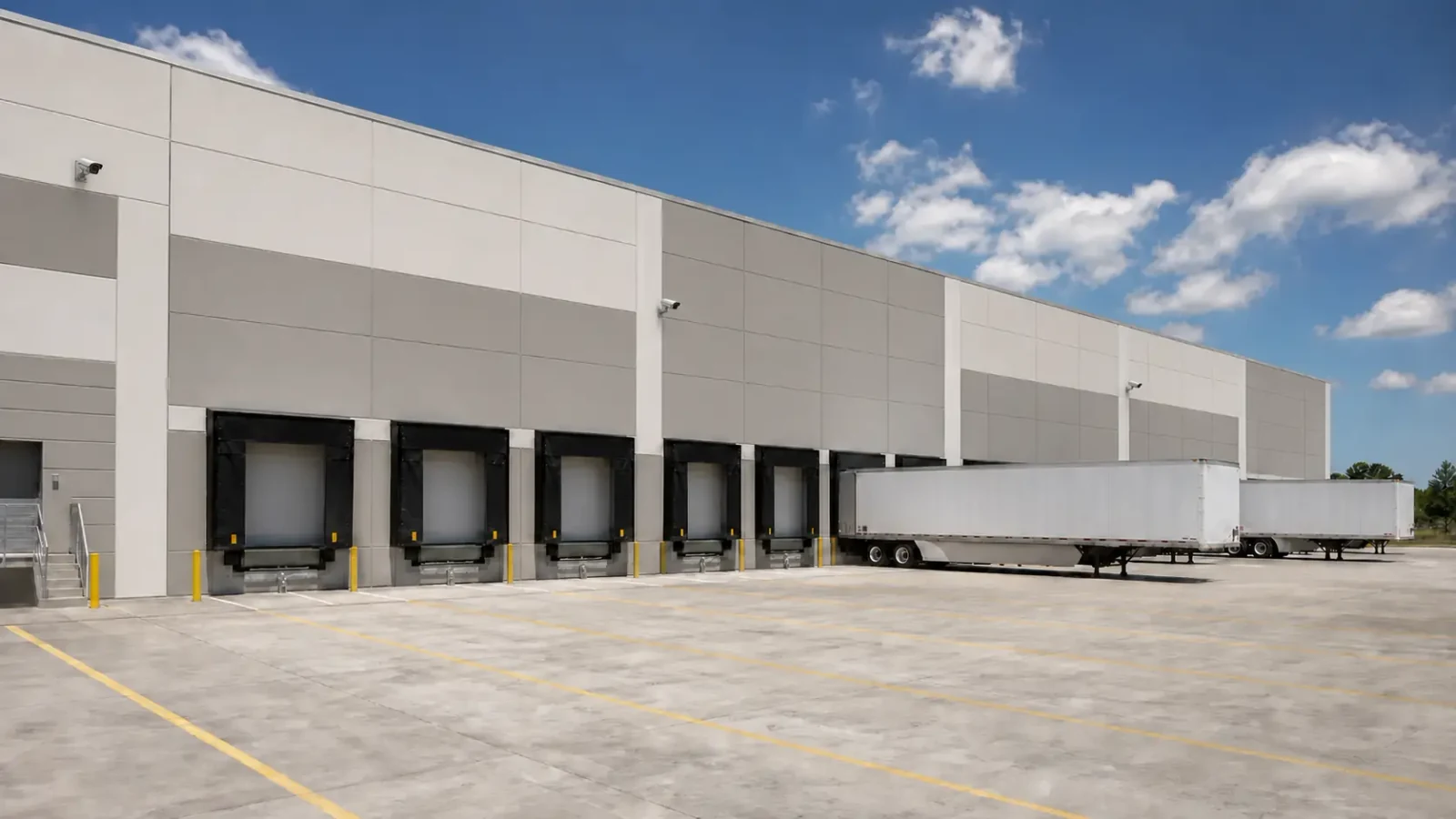
Corridor | Orlando Commercial Security Planning
Plan commercial camera coverage around the property patterns, access points and operating conditions found in and around John Young Parkway. The useful starting point is a site-specific review of property workflow, visibility goals, pathways, recording and the people responsible for the system.
For owners, managers and project teams responsible for distribution properties, auto-oriented businesses, multi-tenant commercial centers, the scope should connect truck entries coverage, shared parking visibility and rear loading areas coordination to measurable acceptance checks. Recommendations remain subject to the site survey, compatible infrastructure and the approved project documents.
Projects are planned around property operations, infrastructure and the people responsible for the system.
Data Pro Communications operates under FL License #EC13016138.
Testing, labeling, credentials and known limitations are organized for the people who will operate and support the system.
John Young Parkway properties can include truck entrances, wide parking areas, active loading yards and long distances between buildings. Useful coverage depends on real vehicle paths, defined identification points and infrastructure that can carry power and data across the site.
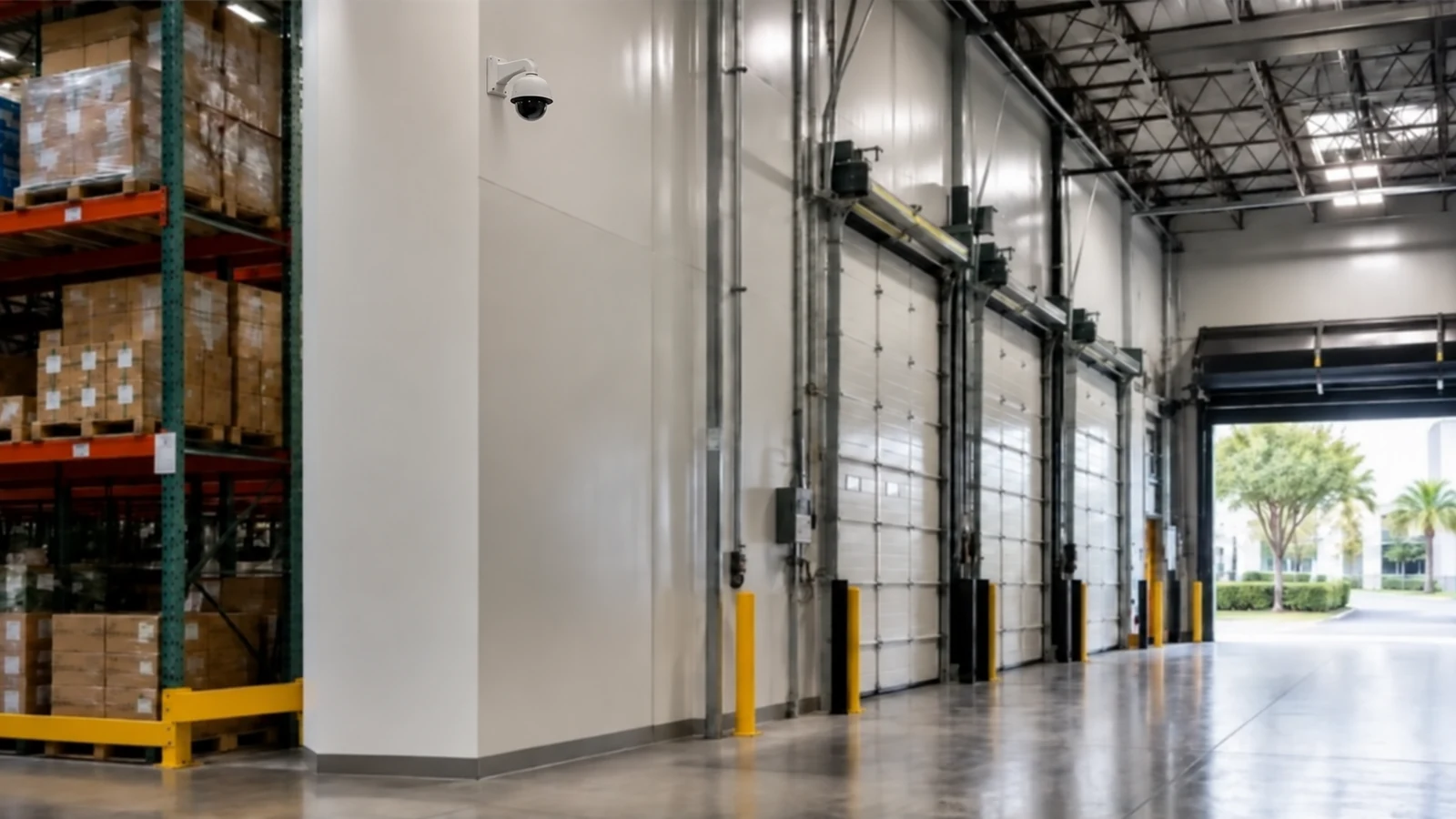
The proposed view of truck entries should be judged against vehicle direction, pedestrian crossings, changing light, parked obstructions and the point where identifying detail is required. A field check at John Young Parkway needs to show where the useful scene begins, what can block it and the detail operators expect from playback.
Conditions around shared parking change as the property operates. At John Young Parkway, compare daylight and evening images, account for vehicle direction, pedestrian crossings, changing light, parked obstructions and the point where identifying detail is required, and reject any angle that loses the required detail at the point of interest.
Shared responsibility around rear loading areas can leave gaps in both coverage and response. Identify the John Young Parkway property party responsible for delivery vehicles, doors, trailers, vendor and staff access, custody handoffs and the people authorized to review footage, footage retrieval and follow-up before permissions are configured.
Existing pathways may not safely carry new camera cabling between shared operations and fiber backbones. Trace the John Young Parkway route for distance, damage, water exposure and service access before deciding what can be reused.
A retention promise for John Young Parkway is unreliable until the recorder is sized against the actual camera set. Account separately for truck entries, loading yards and parking and vehicle lanes, including motion frequency, image settings and usable disk capacity.
Default camera positions at John Young Parkway can leave the critical part of truck entries, parking and vehicle lanes or pole cameras and remote cabinets outside the useful image. Compare proposed mounts with actual movement and the detail managers expect to recover.
At the John Young Parkway property, Separate truck identification from yard overviews after checking movement, lighting, normal obstructions and the incident detail required along the actual travel path.
The field plan should Plan loading-dock camera positions after checking movement, lighting, normal obstructions and the incident detail required along the actual travel path.
During design, Design fiber for longer site distances after confirming route length, pathway condition, equipment location, power and service access.
The installation team can Distribute PoE switching by building after confirming route length, pathway condition, equipment location, power and service access.
Before equipment is finalized, Protect outdoor camera equipment after checking weather exposure, lighting, property boundaries, physical protection and safe service access.
For John Young Parkway, Validate views with vehicles in place after checking movement, lighting, normal obstructions and the incident detail required along the actual travel path.
Place identification views where trucks slow or stop and keep general yard context on a separate camera.
Dock approaches, trailer positions and custody points should remain visible during normal loading activity.
Pole and building views should cover the lanes people actually use rather than the empty center of a wide lot.
Office entrances and warehouse docks need distinct camera groups and access roles.
Fiber-fed IDFs or cabinets can keep camera copper runs within limits across a larger site.
Power, surge protection, heat and service access must be resolved for equipment away from the main building.
Observe lane width, turning path and the point where trucks slow enough for useful detail. Camera distance, focal length, mounting stability, lighting and shutter settings should be chosen for that capture point rather than for a distant yard overview.
Large parking areas may require complementary building and pole views. Check parked-truck obstruction, pedestrian routes, lighting and cable distance, and decide which zones need general activity context versus closer identifying detail.
Trailer positions can hide dock doors and staff movement from a single high camera. Map the active doors, vehicle approach, vendor and employee routes, protected pathways and safe lift or ladder access for installation and maintenance.
Detail falls quickly when a target is distant or moving fast. Calculate pixels on target for the chosen focal length, evaluate shutter speed and available light, and test the view along the real travel path rather than across an empty lot.
Keep the design tied to the subject parcel, its entrances, buildings, yards and responsible operators. Trace which telecom rooms, poles, cabinets and pathways belong to the property before assigning camera objectives or extending network service.
Run playback tests with entering trucks, active docks and normal parking obstruction. Record capture distances, representative exports, fiber or long-pathway routes, switch and cabinet locations, recorder settings and the users authorized to retrieve footage.
John Young Parkway properties often need fiber, distributed PoE switching and secure remote viewing across loading, parking and office areas. Access-control video may be useful at gates or staff doors, but AV and unrelated platforms should not be included by default.
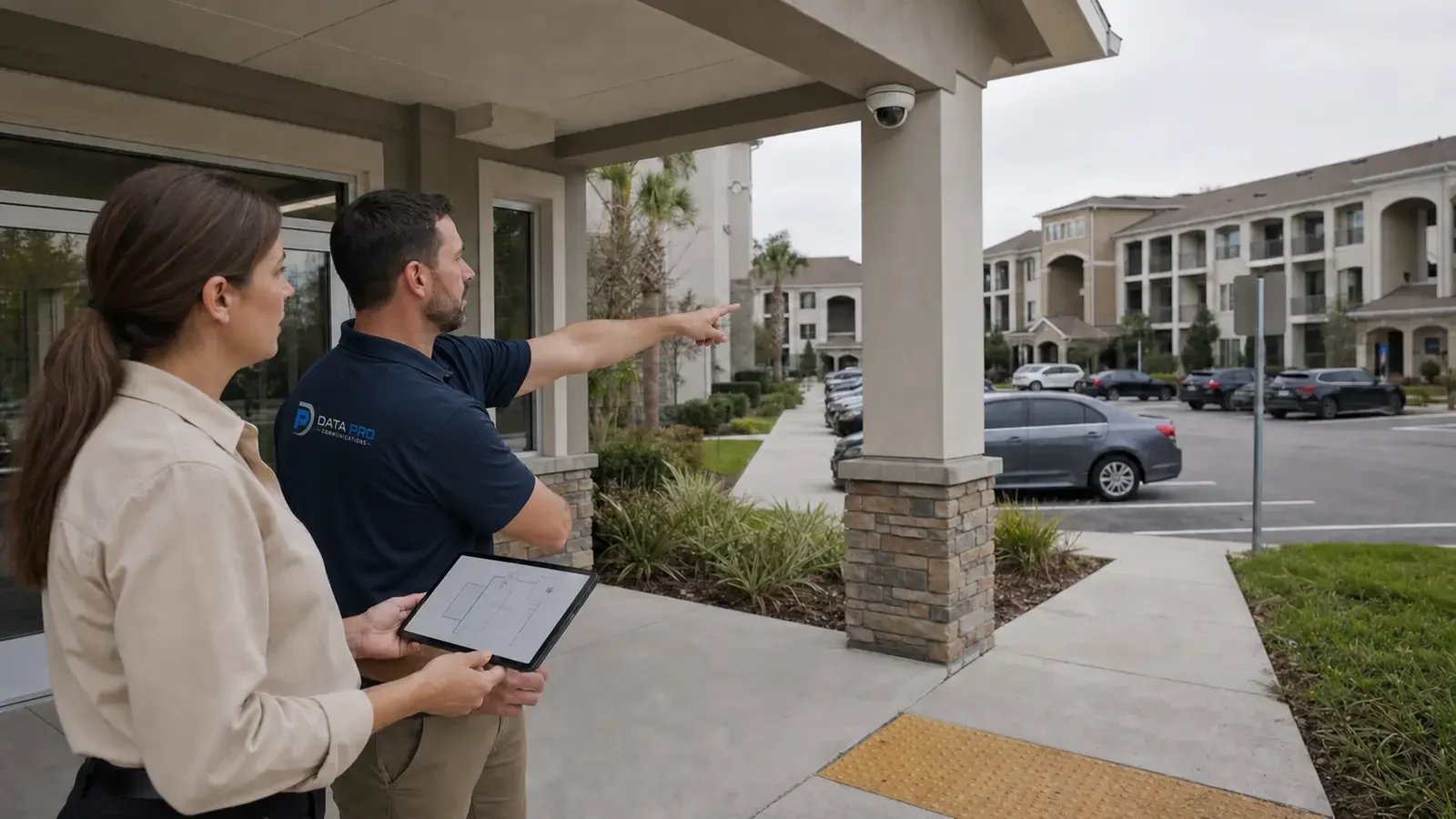
Within the Orlando market, John Young Parkway includes property contexts such as distribution properties, auto-oriented businesses, multi-tenant commercial centers. Camera planning should respond to those actual access, parking, service and infrastructure conditions rather than assuming every property in the area operates the same way.
The Service Areas Hub places John Young Parkway within Orlando's corridor coverage and distinguishes it from nearby local areas.
A large-property site survey can confirm fiber distances, pole locations, yard obstructions and distributed equipment needs.
Camera Services supports commercial CCTV, IP surveillance, remote viewing and upgrades for John Young Parkway facilities.
The recommendation changes across distribution properties, auto-oriented businesses, multi-tenant commercial centers. Public access, operating hours, vehicle movement, privacy expectations, network ownership and maintenance responsibility should determine which examples and next steps belong on the page.
Measure John Young Parkway truck lanes, yards, parking and building distances while operations are active.
Lay out identification points, overview cameras and fiber-fed equipment locations before assigning quantities.
Coordinate exterior work, lifts and pathway installation around loading schedules, long travel routes and safety controls.
Test entry and dock scenes with trucks present, verify backbone performance and hand over cabinet, strand and camera records.
Cameras Orlando is operated by Data Pro Communications. Florida low-voltage work is performed under FL License #EC13016138. Final recommendations depend on the approved scope, site conditions and the responsibilities stated in the project documents.
Fiber becomes attractive when copper distance limits are exceeded, buildings are separated or outdoor links need electrical isolation. The design should include termination locations, strand capacity, protection and loss testing.
Combine overview cameras for movement with tighter views at gates, dock approaches or vehicle choke points. Pole locations, lighting and parked trailers should be evaluated during normal operations.
It can when every copper run stays within distance limits and the pathways return cleanly to that room. Larger sites often work better with distributed IDFs or fiber-fed cabinets closer to camera groups.
Test cable category, wire map, length, PoE performance and physical condition, then confirm labeling and endpoints. A cable that carries basic data may still be unsuitable for a new high-power camera.
Place views where trucks slow, turn or stop, and separate general yard context from plate or driver detail. Trailer height and queue positions can block cameras that look adequate on an empty site.
Yes, with camera groups and user roles that reflect each team's responsibilities. Warehouse operations may need dock and aisle views, while office staff may only need entrances and visitor areas.
Confirm whether the pole has local power, whether PoE distance is practical and how surge protection and grounding will be handled. Outdoor cabinets must be sized for heat, moisture and service access.
Yes. Start with the backbone, recorder capacity and network standards, then phase camera groups by building or operational priority. Each phase should leave a stable, documented system rather than temporary unmanaged links.
Use secure connectivity and permissions organized by site, role and incident responsibility. Confirm that the upstream bandwidth supports the expected number of live or playback streams.
Provide a site plan, building and yard dimensions, telecom-room locations, vehicle routes, operating shifts, existing cabling records and the staff responsible for IT and facility access.
Share the property type, your project role, the current condition and the outcome you need. Data Pro Communications can use that context to prepare a focused conversation about truck entries coverage, shared parking visibility and the next responsible field step.