
Commercial-First Planning
Projects are planned around property operations, infrastructure and the people responsible for the system.
Other Approved Local Context | Orlando Commercial Security Planning
Plan commercial camera coverage around the property patterns, access points and operating conditions found in and around South Orlando. The useful starting point is a site-specific review of property workflow, visibility goals, pathways, recording and the people responsible for the system.
For owners, managers and project teams responsible for distribution sites, managed communities, commercial service properties, the scope should connect community gates coverage, warehouse approaches visibility and service yards coordination to measurable acceptance checks. Recommendations remain subject to the site survey, compatible infrastructure and the approved project documents.
Projects are planned around property operations, infrastructure and the people responsible for the system.
Data Pro Communications operates under FL License #EC13016138.
Testing, labeling, credentials and known limitations are organized for the people who will operate and support the system.
South Orlando projects can span community gates, warehouse approaches, service yards and multiple buildings on larger parcels. The camera design should define the property areas in scope and use backbone, storage and access choices that match each area's activity and responsible operator.
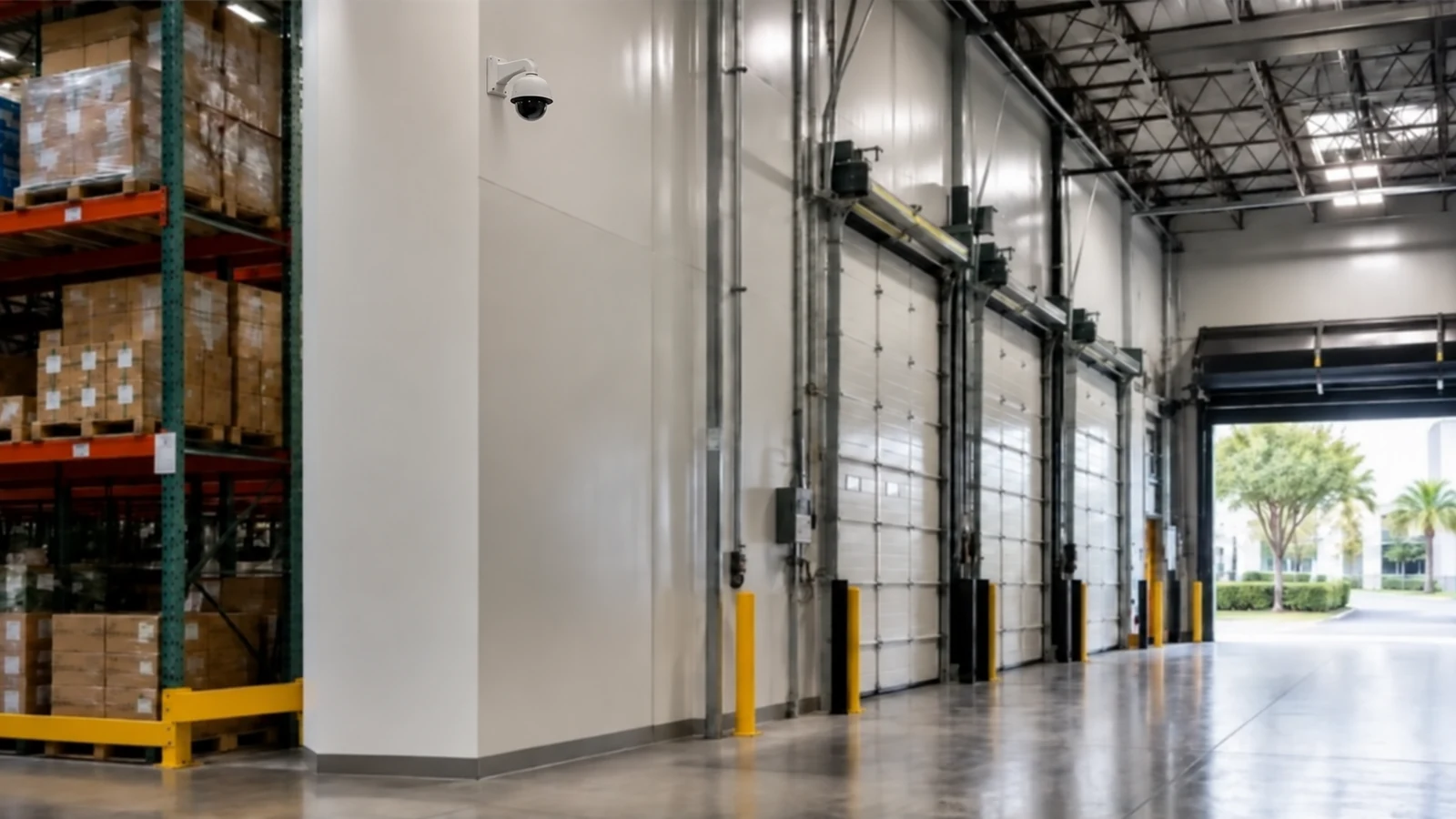
Do not assign community gates to a convenient corner without seeing how the area works. At South Orlando, review property ownership, normal movement, lighting, obstructions, access responsibility and the operational detail the camera must preserve and confirm the required view from the direction people or vehicles actually approach.
Visibility at warehouse approaches can collapse when traffic, lighting or parked objects change. Recreate the expected South Orlando conditions, including property ownership, normal movement, lighting, obstructions, access responsibility and the operational detail the camera must preserve, before accepting the view.
When service yards serves more than one operator, an unclear boundary can produce blind spots or excessive access. Map delivery vehicles, doors, trailers, vendor and staff access, custody handoffs and the people authorized to review footage at South Orlando, including the owner of the area and the staff expected to review an incident.
A hidden or exposed weak point along the route to centralized viewing or parking and building links can make the camera difficult to support. Inspect the complete South Orlando pathway and replace inaccessible, damaged or overlength sections.
Retention at South Orlando should be verified by calculation and playback, not by a recorder label. Use the camera count and settings for loading and delivery routes, guest and service access and employee and visitor entrances, then confirm that authorized staff can retrieve the required period.
Camera placement should follow the work occurring at loading and delivery routes, employee and visitor entrances and different activity schedules. Walk those South Orlando routes, choose the decisive point in each scene and avoid relying on a single distant overview.
During design, Prioritize views by operating need by relating the work to the property's use, operating schedule and managed areas, then recording the accepted field result.
The installation team can Separate guest and service access by defining which areas belong to management, tenants, staff or third parties and assigning viewing rights accordingly.
Before equipment is finalized, Cover loading and delivery routes after checking movement, lighting, normal obstructions and the incident detail required along the actual travel path.
For South Orlando, Connect large or multi-building sites after confirming route length, pathway condition, equipment location, power and service access.
At the South Orlando property, Organize centralized viewing by location by relating the work to the property's use, operating schedule and managed areas, then recording the accepted field result.
The field plan should Match recording to activity schedules after reviewing busy periods, motion-recording load, staff response and the obstructions that appear at entrances or parking areas.
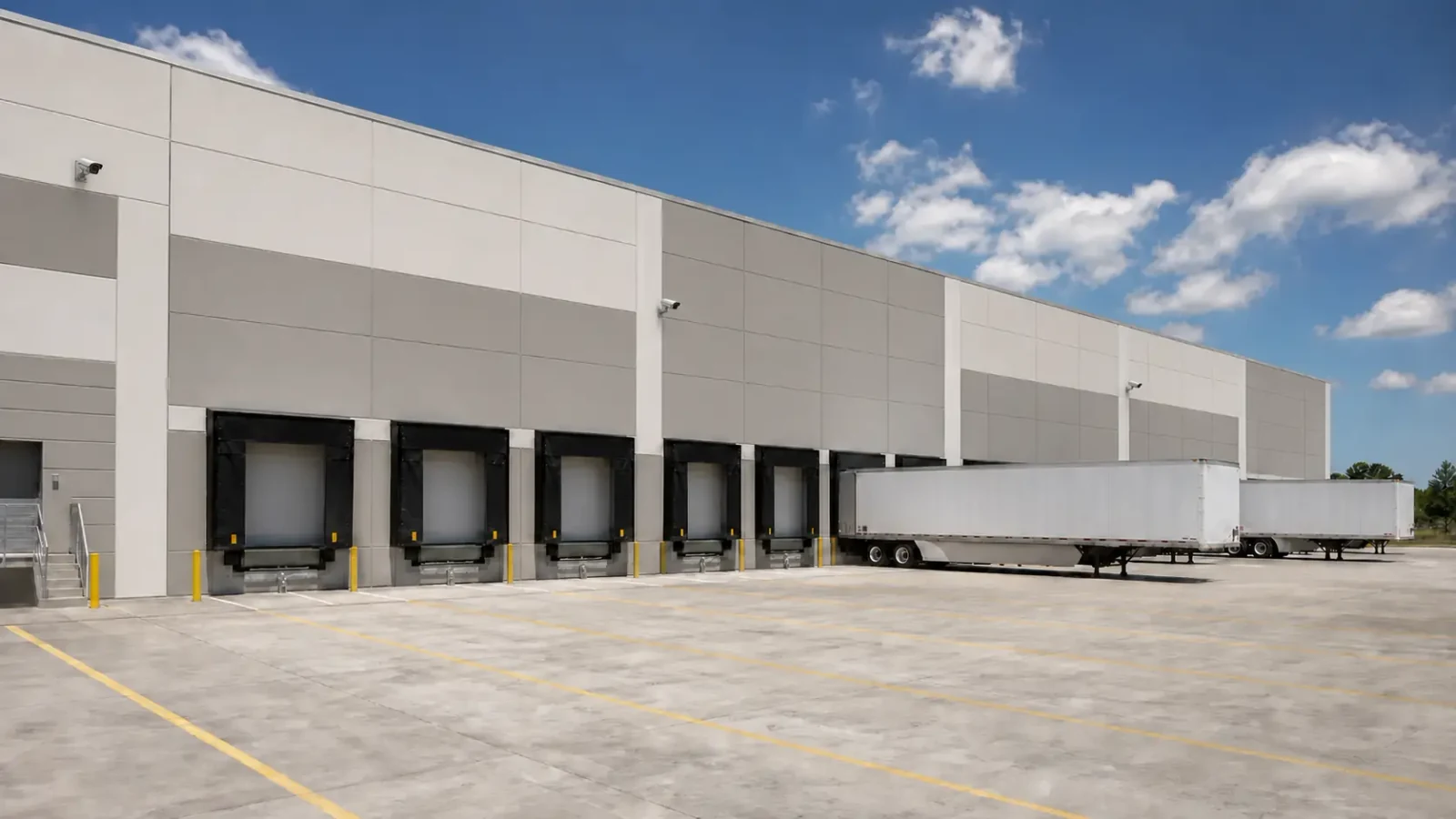
Dock, yard and custody views should reflect how vehicles and materials move through the operation.
Guest entrances, parking and back-of-house doors require separate views and permissions.
Reception and staff access should be covered at the doorway detail appropriate to each use.
Site-based roles, consistent naming and secure links help managers review several properties without shared credentials.
Distributed switching or fiber can keep camera paths practical across wide lots and multiple structures.
Storage and motion settings should reflect whether each area runs continuously, seasonally or only during business hours.
Gate planning should identify vehicle and pedestrian lanes, credential or call points and the position where traffic slows. Check lighting, gate movement, queue obstruction and the permissions needed by the community manager.
Warehouse approach cameras should separate truck movement, employee entry and visitor arrival. Lane geometry, dock traffic, building setbacks and after-dark lighting determine whether overview and identification require different views.
Yard coverage must be evaluated with trailers, equipment and materials in their normal locations. Confirm loading and staff routes, protected mounting and cable paths, local power and safe access for future maintenance.
List the buildings, gates, yards, parking and managed entrances included in the project. This prevents cameras from drifting toward adjacent properties and clarifies which operator owns the footage, network and response workflow for each area.
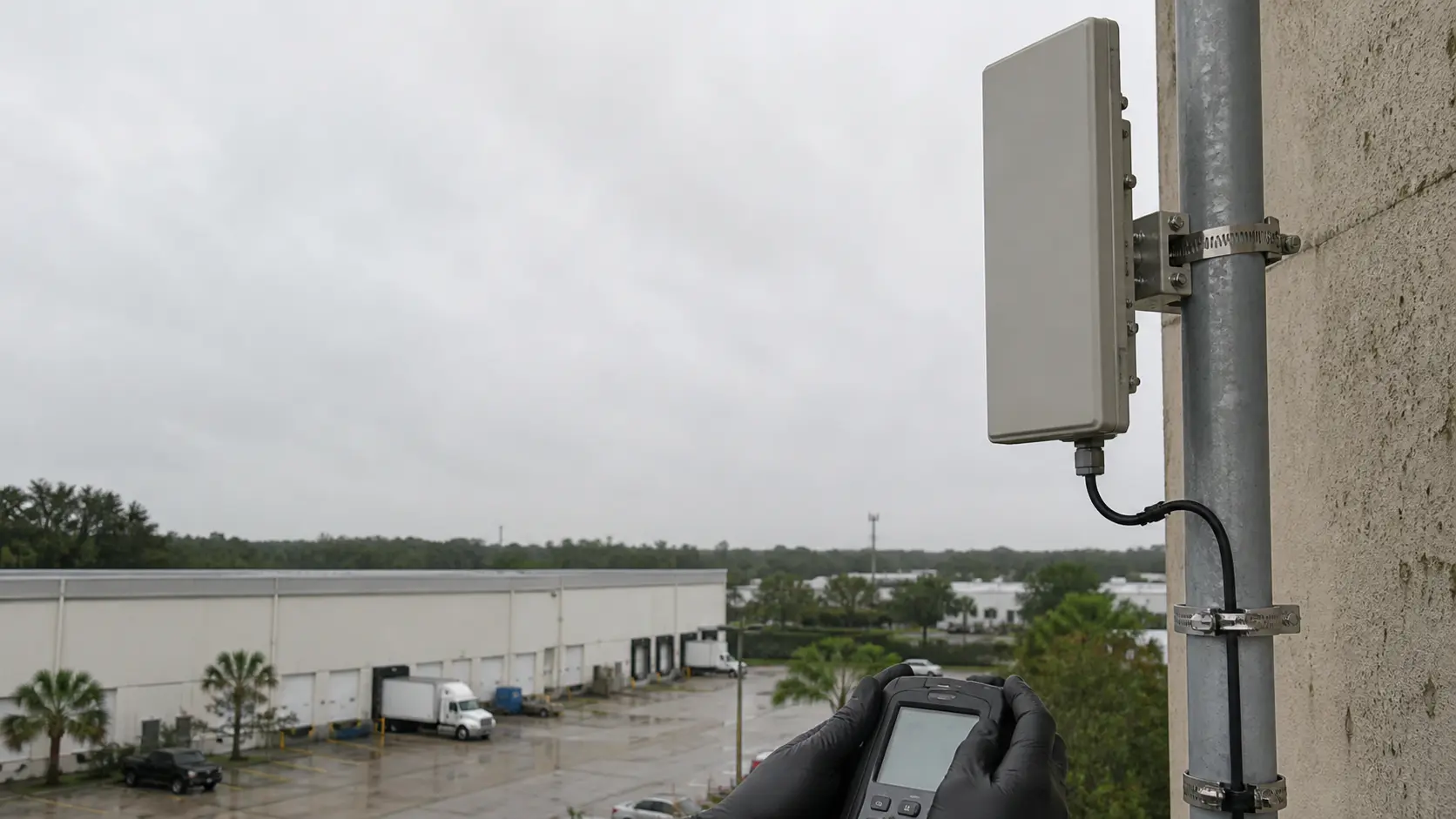
Measure backbone routes between buildings and identify telecom spaces, power and environmental protection at every endpoint. Fiber or engineered wireless links may be needed where distance, grounding or pathway ownership rules out direct copper.
Test gate, warehouse and yard scenes during their representative activity periods and verify recording from every connected building. Document backbone routes, switch and enclosure locations, retention settings and account ownership by operating area.
South Orlando projects may use fiber, distributed PoE switching and secure centralized viewing across logistics, hospitality and office areas. Access-control links should be limited to doors where event video helps the responsible team.
Within the Orlando market, South Orlando includes property contexts such as distribution sites, managed communities, commercial service properties. Camera planning should respond to those actual access, parking, service and infrastructure conditions rather than assuming every property in the area operates the same way.
The Service Areas Hub presents South Orlando as a broad local context and routes users to more specific nearby areas where appropriate.
A multi-area site survey can identify which logistics, hospitality, office and parking needs belong in the project.
Camera Services supports centralized viewing, upgrades, recording and troubleshooting across South Orlando commercial operations.
The recommendation changes across distribution sites, managed communities, commercial service properties. Public access, operating hours, vehicle movement, privacy expectations, network ownership and maintenance responsibility should determine which examples and next steps belong on the page.
Review South Orlando loading, guest, office and parking activity according to each area's actual operating schedule.
Rank the views by operational need and design backbone links for large lots or multiple buildings.
Coordinate exterior work, occupied areas and service access with logistics, hospitality and office managers.
Test camera groups during their representative activity periods and document site-based permissions and network dependencies.
Cameras Orlando is operated by Data Pro Communications. Florida low-voltage work is performed under FL License #EC13016138. Final recommendations depend on the approved scope, site conditions and the responsibilities stated in the project documents.
Begin with entrances, parking and vehicle approaches, loading or service areas, and the spaces where incidents are hardest to reconstruct. Rank views by operational need instead of spreading cameras evenly.
They can when the recorder, network and permissions support distinct camera groups. Each operating team should see the areas it manages without receiving unnecessary access to another use.
Use local switches or fiber-fed cabinets when copper runs would be too long or pathways cannot return efficiently to one room. Each cabinet needs secure power, environmental protection and labeling.
Cover the vehicle approach, dock or service door and the point where goods change custody. Time synchronization and searchable camera names make later review much faster.
Yes. Organize phases by building, system condition or risk priority, and confirm that the recorder and network can support both retained and new equipment during the transition.
Verify managed configuration, PoE capacity, port availability, uplink bandwidth, equipment age and support ownership. Cameras should not be added to unknown switches simply because ports appear open.
Use the actual activity pattern for each area rather than one motion assumption for the whole site. A 24-hour loading operation and a daytime office may generate very different recording volumes.
Yes. Use secure connections, consistent camera naming and role-based access by property. Managers also need a defined method for exporting evidence and reporting local system problems.
Plan lifts, lane work and exterior cable pulls in controlled zones and at lower-traffic times. The site manager should identify safety procedures and routes that cannot be blocked.
Include every building and use on the property, operating schedules, vehicle and delivery routes, existing system and network details, and the facility and IT contacts who approve work.
Share the property type, your project role, the current condition and the outcome you need. Data Pro Communications can use that context to prepare a focused conversation about community gates coverage, warehouse approaches visibility and the next responsible field step.