Commercial Security Camera Systems for Transportation in Orlando
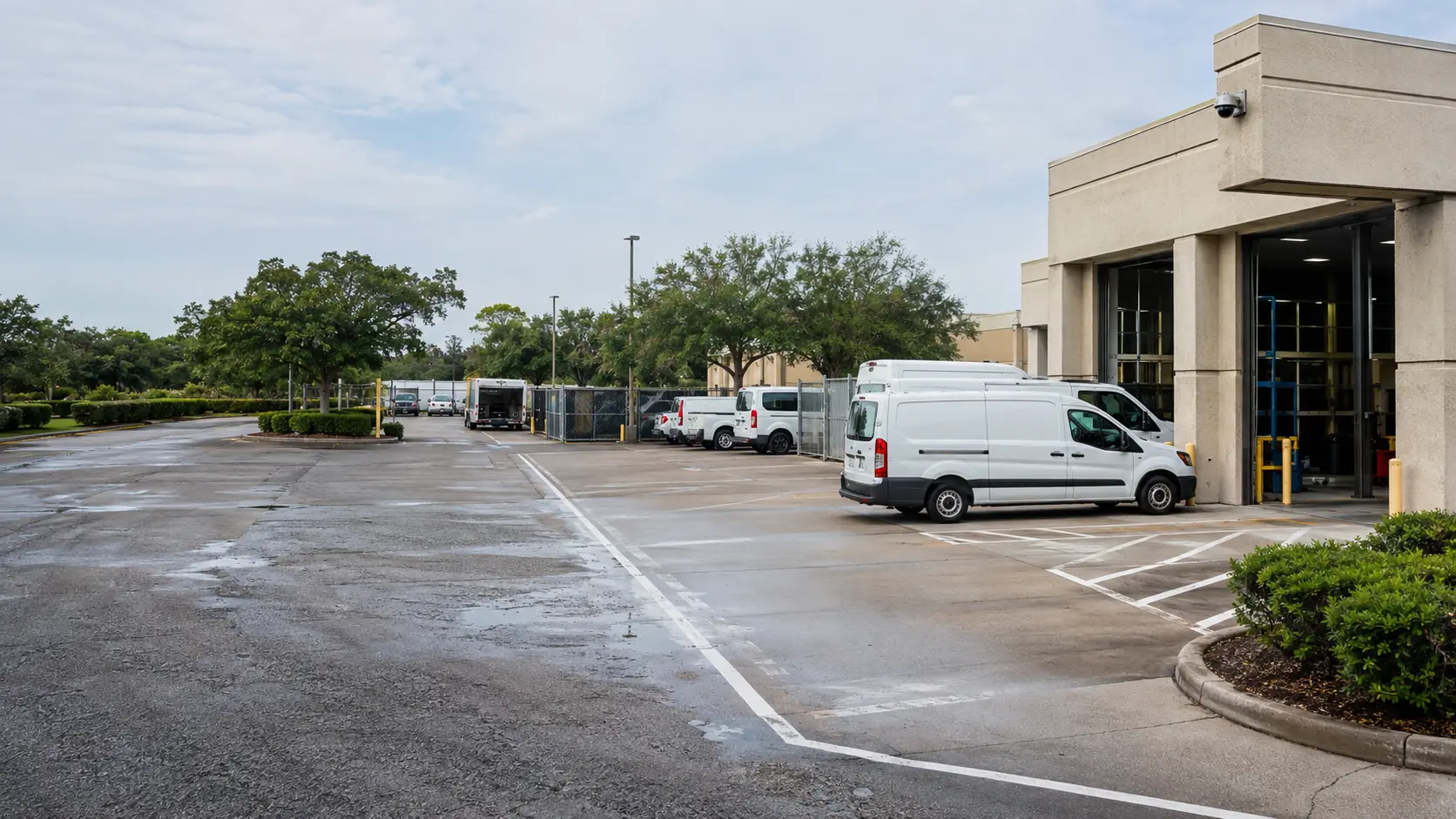
Transportation projects should reflect how drivers, dispatch staff, maintenance teams, vendors and visitors move through and operate fleet yards, terminals and vehicle-service facilities. The useful design starts with the real property areas and workflows, not a generic commercial layout.
A site survey should verify vehicle gates and lanes, yards and staging, dispatch areas, the supporting infrastructure and the periods when work can occur. The project should also account for vehicle and trailer obstructions and headlight glare and night lighting.
Planning follows the way drivers, dispatch staff, maintenance teams, vendors and visitors use fleet yards, terminals and vehicle-service facilities, including access patterns, operating periods and the teams responsible for the systems.
Florida Low-Voltage License
Data Pro Communications operates under FL License #EC13016138.
Documented System Handoff
Transportation handoff documentation should identify cameras and network points by gate, lane, terminal, yard or service area and record the fiber or switching path used to reach remote locations.
Planning Security and Low-Voltage Systems for Transportation
Fleet yards, terminals and vehicle-service facilities require different decisions around vehicle gates and lanes, yards and staging and dispatch areas. The technical plan should also confirm loading and service bays, remote gates and buildings and long-distance fiber or uplinks while accounting for vehicle and trailer obstructions and active fleet movement.
Operational Risks to Address for Transportation
Unclear Vehicle Gates And Lanes
Vehicle gates and lanes are frequently obscured by buses, trucks or queued vehicles, especially during shift changes and dispatch peaks. Verify camera angles, gate hardware and lane coverage with representative vehicles in place so the system captures the approach and gate event, not just an empty lane.
Incomplete Yards And Staging
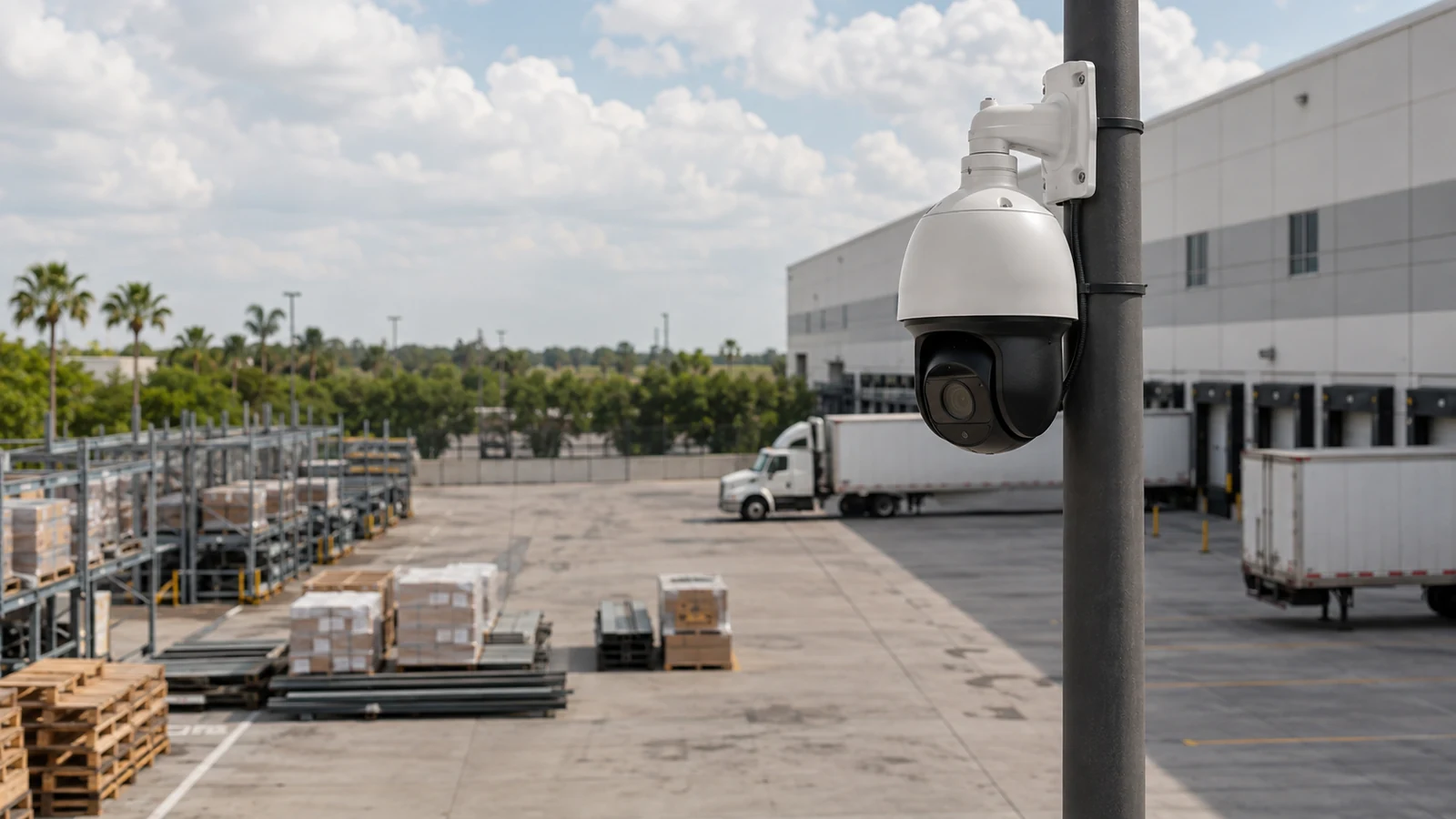
Yards and staging areas expand, contract and reorganize as vehicles are dispatched or returned. Confirm the zones that matter to operations, nighttime lighting and likely obstructions from parked fleets before fixing camera locations or wireless paths.
Uncoordinated Dispatch Areas
Dispatch areas depend on fast access to live and recorded information while staff coordinate vehicles and drivers. Check workstation locations, user permissions, display needs and the camera names dispatchers will search so the system fits the actual control-room workflow.
Unsupported Loading And Service Bays
Loading and service bays combine vehicle movement, equipment and technicians in tight spaces. Review active bay conditions to identify views that remain useful when large vehicles are raised, parked or being serviced, and protect devices from impact or harsh shop conditions where needed.
Poorly Located Remote Gates And Buildings
Remote gates and outbuildings may sit beyond copper distance or outside convenient power and network reach. Measure the actual route, confirm available power and mounting access, and determine whether fiber, wireless bridging or local switching is required before equipment is specified.
Undocumented Long-Distance Fiber Or Uplinks
Long-distance fiber or uplinks can fail as a design assumption if strand availability, optics or pathway condition are unknown. Trace the route end to end, verify termination points and spare capacity, and define how the link will be tested before remote devices depend on it.
What the Transportation Project Should Coordinate
Plan Vehicle Gates And Lanes
For Vehicle Gates And Lanes, start with the people who use fleet yards, terminals, vehicle service facilities: logistics managers, operations leaders and fleet or facility teams. The implementation should support their real workflow and remain serviceable after installation. For transportation sites, validate the result with vehicles and staging present, then account for lane geometry, dispatch use, night lighting and remote fiber distance.
Validate Yards And Staging
Make Yards And Staging specific enough to test in the field. Record the approved location or configuration, then verify it under representative property conditions. For transportation sites, validate the result with vehicles and staging present, then account for lane geometry, dispatch use, night lighting and remote fiber distance.
Coordinate Dispatch Areas
Coordinate Dispatch Areas with the existing infrastructure and the fleet team. If a field condition changes the approved approach, document the decision before concealed or irreversible work continues. For transportation sites, validate the result with vehicles and staging present, then account for lane geometry, dispatch use, night lighting and remote fiber distance.
Define Loading And Service Bays
The project should leave Loading And Service Bays understandable to operations, not only to the installer. Use clear naming, ownership and acceptance criteria tied to the property. For transportation sites, validate the result with vehicles and staging present, then account for lane geometry, dispatch use, night lighting and remote fiber distance.
Test Remote Gates And Buildings
Use Remote Gates And Buildings as a defined operating requirement, not a generic checklist item. The fleet team should be able to point to the location, user group and expected result. For transportation sites, validate the result with vehicles and staging present, then account for lane geometry, dispatch use, night lighting and remote fiber distance.
Document Long-Distance Fiber Or Uplinks
Tie Long-Distance Fiber Or Uplinks to vehicle and dispatch flow. That means confirming the physical location, supporting pathway or network and the person responsible after turnover. For transportation sites, validate the result with vehicles and staging present, then account for lane geometry, dispatch use, night lighting and remote fiber distance.
Transportation Use Cases and Operating Areas
Fleet Yards: Vehicle Gates And Lanes
At fleet yards, a useful plan for Vehicle Gates And Lanes connects location and system behavior to an owner workflow. Avoid copying the same placement from another property type. For transportation sites, validate the result with vehicles and staging present, then account for lane geometry, dispatch use, night lighting and remote fiber distance.
Terminals And Vehicle-Service Facilities: Yards And Staging
In terminals and vehicle-service facilities, Yards And Staging should support a recognizable operating task rather than broad surveillance. Place or configure it around the people and activity the fleet team actually needs to review. For transportation sites, validate the result with vehicles and staging present, then account for lane geometry, dispatch use, night lighting and remote fiber distance.
Fleet Yards: Dispatch Areas
For fleet yards, treat Dispatch Areas as part of the operating environment. Check sightlines, access, infrastructure and serviceability under the conditions that occur during normal use. For transportation sites, validate the result with vehicles and staging present, then account for lane geometry, dispatch use, night lighting and remote fiber distance.
Terminals And Vehicle-Service Facilities: Loading And Service Bays
At terminals and vehicle-service facilities, a useful plan for Loading And Service Bays connects location and system behavior to an owner workflow. Avoid copying the same placement from another property type. For transportation sites, validate the result with vehicles and staging present, then account for lane geometry, dispatch use, night lighting and remote fiber distance.
Fleet Yards: Remote Gates And Buildings
In fleet yards, Remote Gates And Buildings should support a recognizable operating task rather than broad surveillance. Place or configure it around the people and activity the fleet team actually needs to review. For transportation sites, validate the result with vehicles and staging present, then account for lane geometry, dispatch use, night lighting and remote fiber distance.
Terminals And Vehicle-Service Facilities: Long-Distance Fiber Or Uplinks
For terminals and vehicle-service facilities, treat Long-Distance Fiber Or Uplinks as part of the operating environment. Check sightlines, access, infrastructure and serviceability under the conditions that occur during normal use. For transportation sites, validate the result with vehicles and staging present, then account for lane geometry, dispatch use, night lighting and remote fiber distance.
Technical Conditions to Confirm Before Installation
Vehicle Gates And Lanes
Before installation, verify the physical and technical requirements behind Vehicle Gates And Lanes: location, pathway, power/network interface and the person who owns changes after handoff. For transportation sites, validate the result with vehicles and staging present, then account for lane geometry, dispatch use, night lighting and remote fiber distance.
Yards And Staging
Confirm Yards And Staging in the field against yard distance and active traffic. Record any distance, capacity, environmental or access condition that can change the proposed design. For transportation sites, validate the result with vehicles and staging present, then account for lane geometry, dispatch use, night lighting and remote fiber distance.
Dispatch Areas
Dispatch Areas needs an explicit technical owner. The fleet team should know which infrastructure it depends on and what test will show that the requirement is satisfied. For transportation sites, validate the result with vehicles and staging present, then account for lane geometry, dispatch use, night lighting and remote fiber distance.
Loading And Service Bays
Check Loading And Service Bays before procurement or concealed work. A mismatch here can change mounting, cabling, network capacity, storage or service access at fleet yards, terminals, vehicle service facilities. For transportation sites, validate the result with vehicles and staging present, then account for lane geometry, dispatch use, night lighting and remote fiber distance.
Remote Gates And Buildings
Validate Remote Gates And Buildings under representative vehicle and dispatch flow, not only from drawings. The final record should capture the installed condition and any limitation that remains. For transportation sites, validate the result with vehicles and staging present, then account for lane geometry, dispatch use, night lighting and remote fiber distance.
Long-Distance Fiber Or Uplinks
For Long-Distance Fiber Or Uplinks, document the supporting infrastructure and acceptance method so a future technician can distinguish a design choice from an unresolved field condition. For transportation sites, validate the result with vehicles and staging present, then account for lane geometry, dispatch use, night lighting and remote fiber distance.
System Integration and Ownership Boundaries
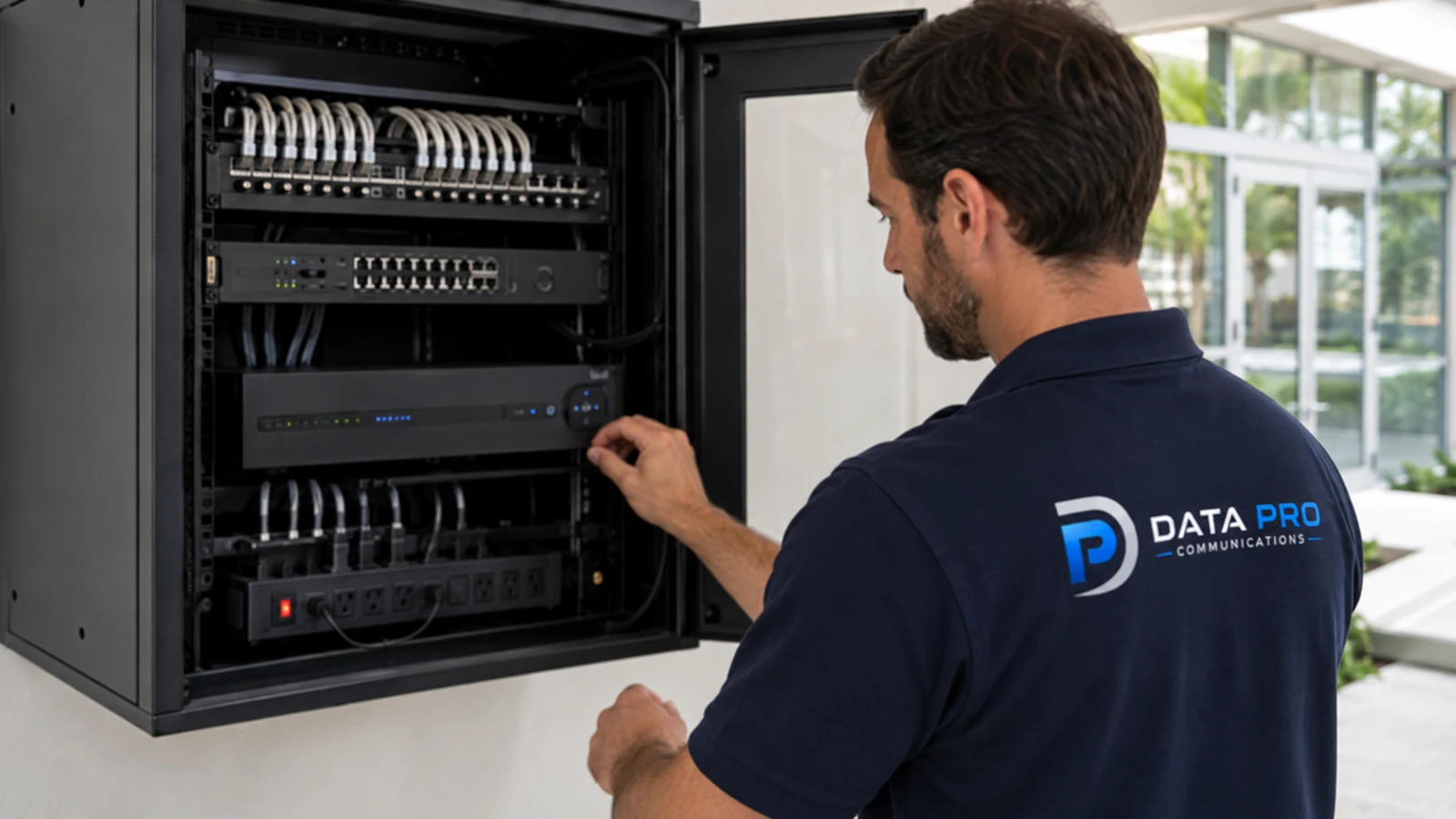
Transportation sites often need distributed switching or fiber across yards, gates and service buildings. Cameras and access devices can share backbone capacity when lane equipment, remote links, PoE and dispatch permissions are engineered together.
Planning for Orlando Properties
For Orlando fleet yards, terminals and vehicle-service facilities, the meaningful design inputs come from the property itself: vehicle gates and lanes, yards and staging, dispatch areas, infrastructure ownership and operating schedule. Orlando identifies the service market; it does not replace a field review.
Operational Recommendations
Prioritize vehicle gates and lanes and yards and staging first, then confirm remote gates and buildings before equipment is finalized. Plan installation around headlight glare and night lighting so the project fits normal operations.
Document responsibilities for loading and service bays and long-distance fiber or uplinks so operations, IT and service teams know who owns changes after handoff.
Related Services and Next Decisions
Explore Industry Solutions
Use the hub to distinguish transportation properties from warehouse, industrial and other logistics environments.
Request a Site Survey
A transportation survey can verify gate geometry, staging, dispatch, service areas, night lighting and remote network distance.
View Camera and Integrated Solutions
Fiber and Camera services are relevant when remote gates, yard backbones, recording or camera-function requirements need deeper engineering.
Property Contexts That Change the Recommendation
Fleet yards, terminals and vehicle-service facilities can use similar equipment but differ in layout, operating schedule and infrastructure ownership. The recommendation should follow those differences, especially vehicle and trailer obstructions and active fleet movement.
A Four-Step Project Path
1. Review Property Workflows
Walk the property with the responsible transportation stakeholders and document vehicle gates and lanes, yards and staging, dispatch areas and the existing systems that may be reused.
2. Confirm Technical Requirements
Confirm the technical plan for loading and service bays, remote gates and buildings and long-distance fiber or uplinks, including ownership, pathways and the acceptance checks needed before field work begins.
3. Coordinate Installation
Field work should follow dispatch, fleet movement and service schedules. Yard crossings, elevated work and remote-building cutovers require coordination so vehicle circulation and critical communications stay available.
4. Test and Hand Off
Validate vehicle gates and lanes, yards and staging and representative dispatch areas conditions, then confirm recording or connectivity, user permissions and the documentation the transportation operating team will use after turnover.
Licensed Low-Voltage Planning and Installation
Data Pro Communications - South Orlando is operated by Data Pro Communications. Florida low-voltage work is performed under FL License #EC13016138. Final recommendations depend on the approved scope, site conditions and the responsibilities stated in the project documents.
Transportation Project Questions
How should cameras be planned for vehicle gates and lanes?
Review traffic direction, gate equipment, queuing, vehicle speed, lighting and the event that operations needs to review. A wide yard overview and a lane-specific view often serve different purposes.
What should be considered for fleet yards and staging areas?
Evaluate parking patterns, trailer or vehicle movement, perimeter lighting, obstructions and the distance to the nearest network point. Mounting should remain accessible without blocking fleet operations.
How should dispatch areas be handled?
Define whether the need is entrance context, staff safety, vehicle movement or another operational purpose. Camera placement should support dispatch workflow without unnecessarily recording sensitive screen information.
What should be reviewed around loading and service bays?
Consider bay doors, vehicle positions, technicians or loaders, lighting and overhead obstructions. Cameras should be protected from impacts and placed where normal equipment does not routinely block the view.
When is fiber useful for remote gates or buildings?
Fiber can support long links between a main telecom room and remote yards, gates or service buildings. Route, strand count, optics, enclosures and testing should be designed as part of the link.
How do vehicle movements affect installation scheduling?
Lift work, trenching or pathway access near lanes should be coordinated with dispatch and yard operations. Temporary closures may be needed to keep technicians and drivers separated safely.
Can transportation security devices share existing switches?
Possibly, if port count, PoE capacity, uplink bandwidth, environmental suitability and network ownership are confirmed. Remote outdoor locations may need dedicated switching or enclosure design.
What retention factors matter for transportation video?
The organization’s incident-review needs should be translated into storage using camera count, resolution, frame rate and recording mode. Remote sites also need reliable connectivity to the chosen recording architecture.
What should be tested before a transportation system is handed over?
Verify gate, lane, yard, loading and service views under representative vehicle conditions, plus recording, playback, permissions and remote-site connectivity.
What should a transportation site survey cover?
Review gates and lanes, yards and staging, dispatch, loading/service bays, remote buildings, telecom rooms, fiber or uplink routes and the fleet schedule that affects field access.
Plan Your Transportation Project
Tell us about the fleet yard, terminal or service facility, the lanes and remote areas involved, existing telecom rooms and operating schedule. That information helps focus the survey on distance, vehicle movement and distributed infrastructure.